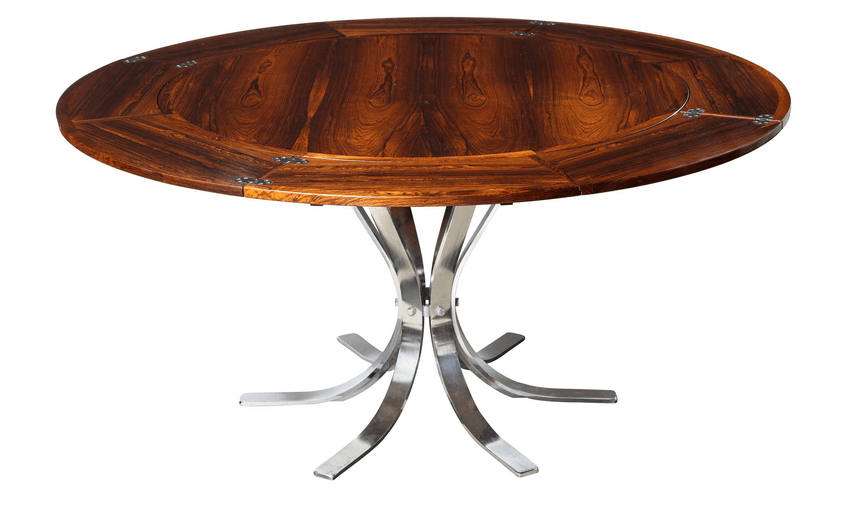
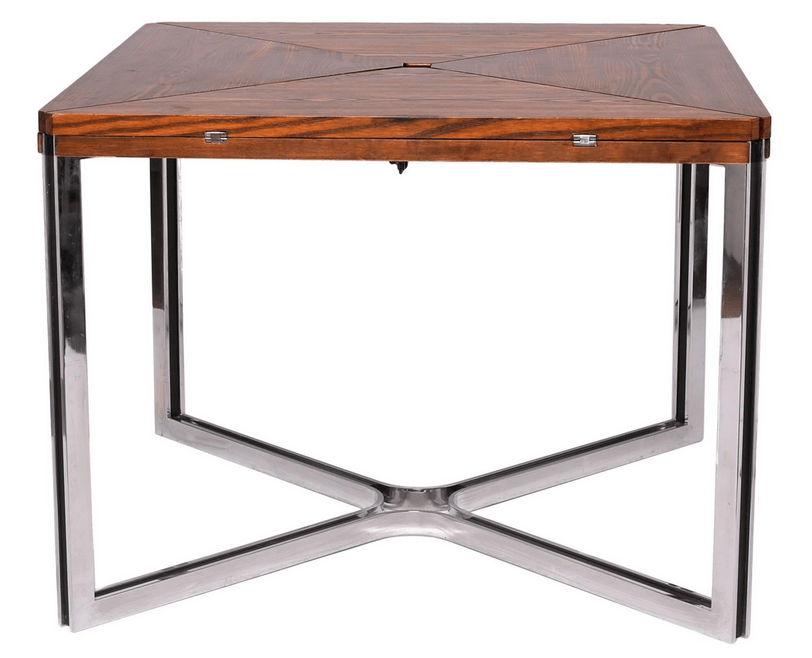
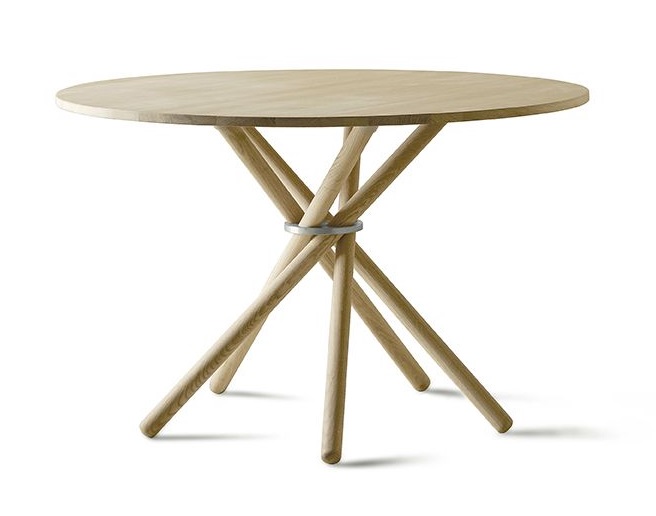
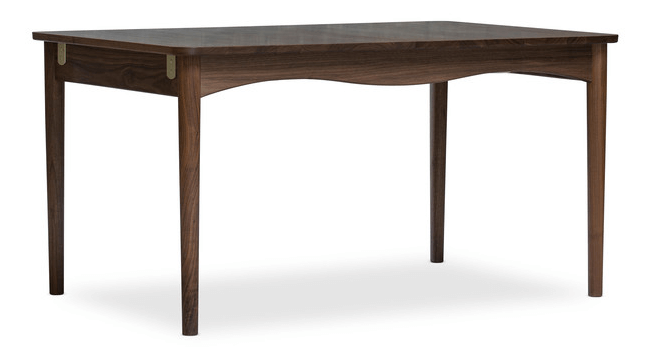
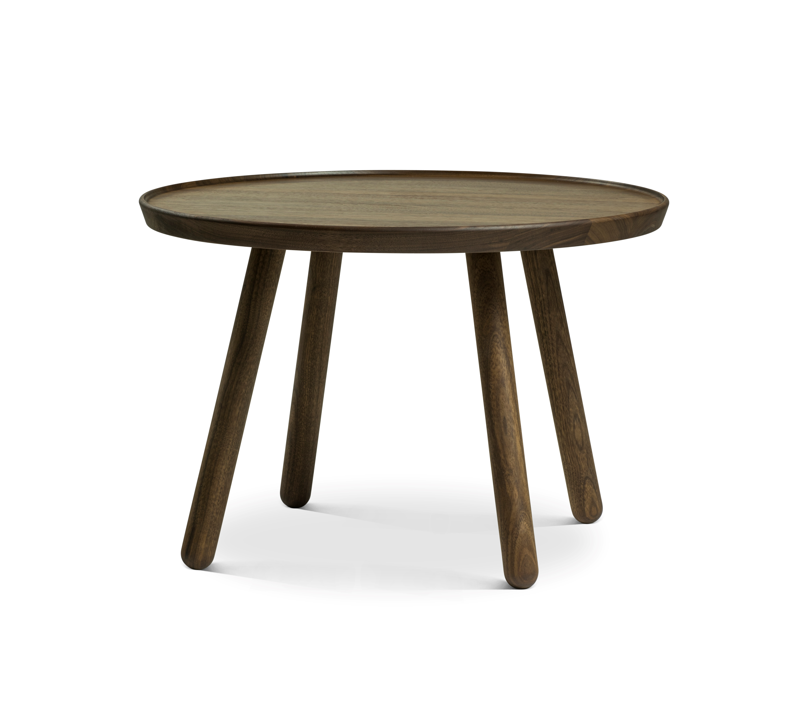
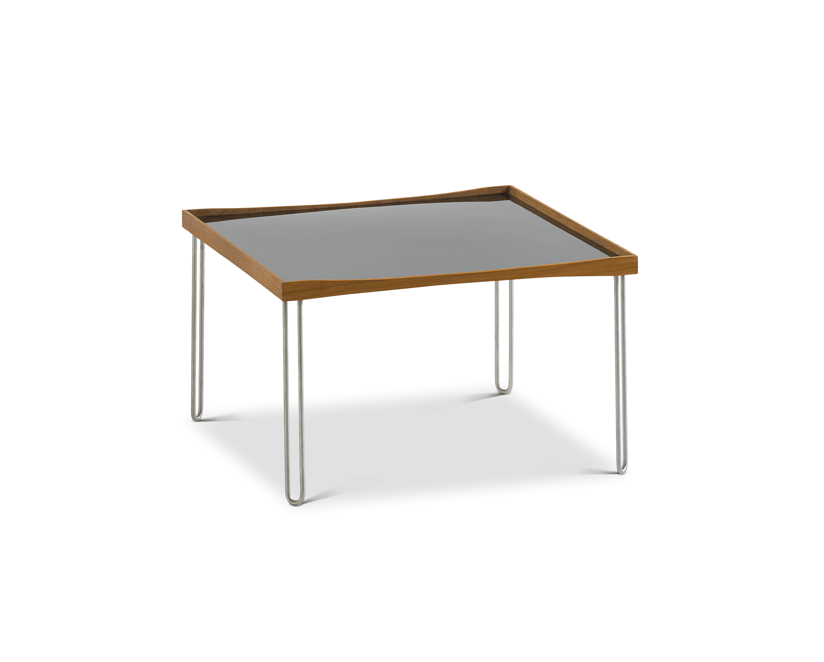
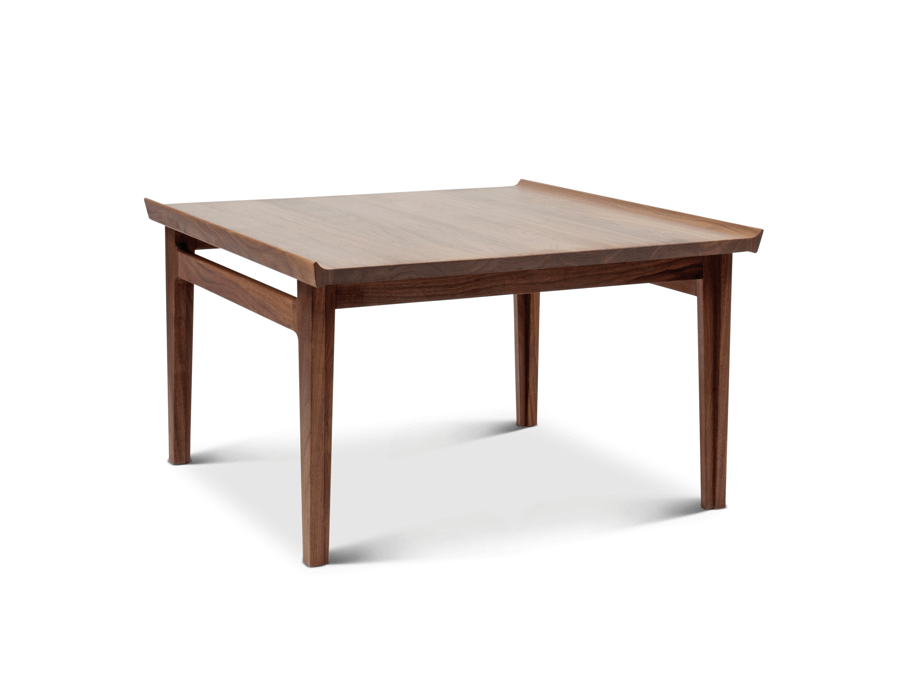
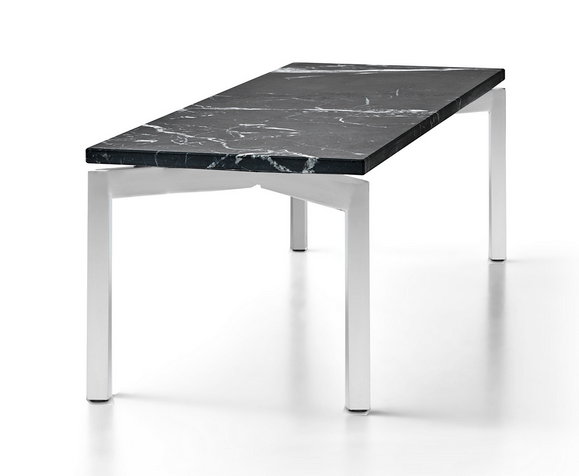
Elevate your interior with our curated selection of authentic Danish design tables. From sculptural mid-century coffee tables to elegant dining tables, each piece showcases the finest Scandinavian craftsmanship and timeless aesthetics. Whether you are looking for a rare vintage classic or a modern centerpiece, discover the perfect balance of form and function for your home.
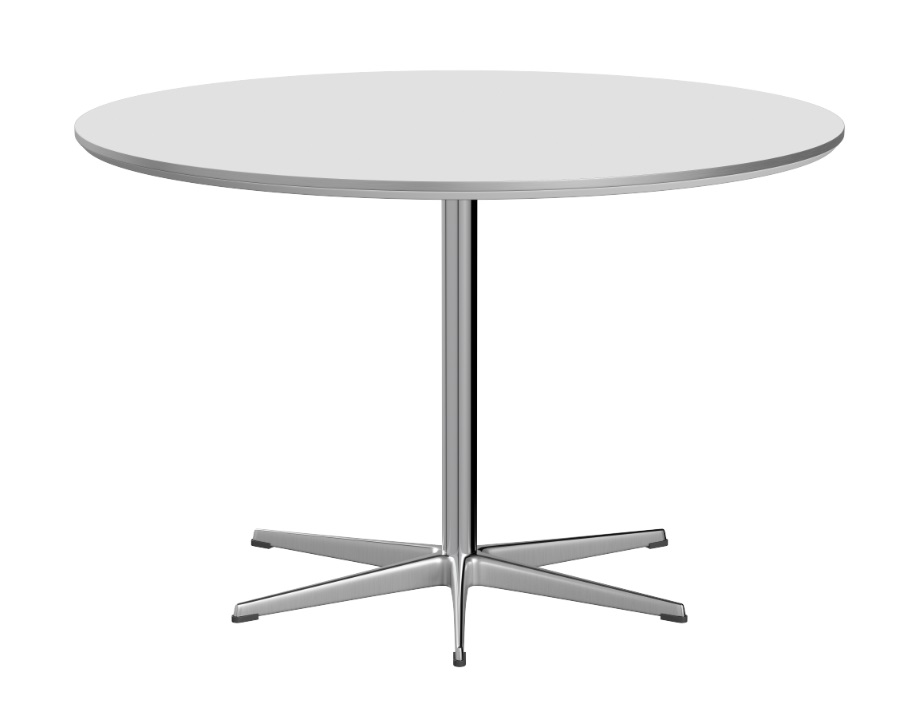
Arne Jacobsen’s Super Circular dining table is an iconic design that combines elegance and functionality in perfect harmony. The table was originally designed in 1968. With its clean, geometric design and perfectly circular tabletop, the Super Circular represents Jacobsen’s unique ability to create timeless design classics.
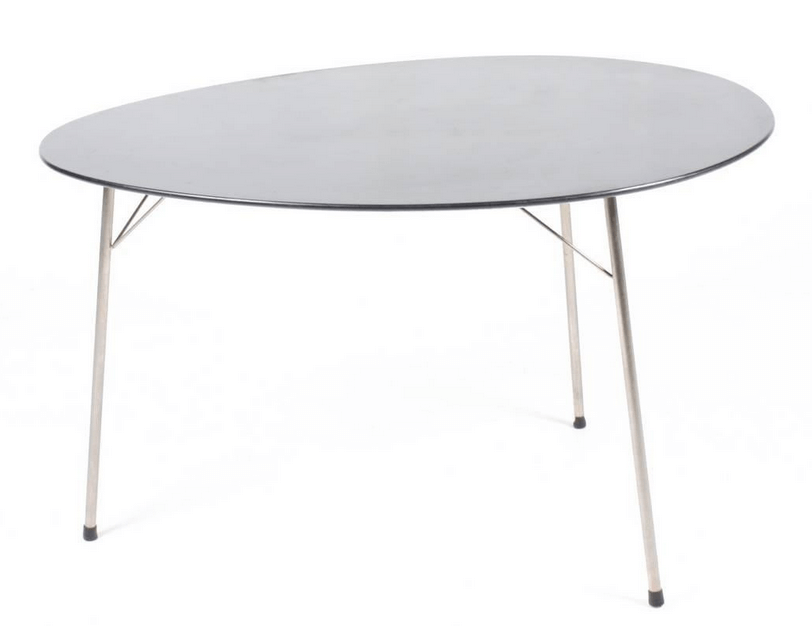
Arne Jacobsen’s Egg Table, designed in 1952, is a true testament to his masterful ability to create designs that balance form and function elegantly. Originally created for the iconic SAS Royal Hotel in Copenhagen, the table is characterized by its oval tabletop and sleek, minimalist expression. It is a natural extension of Jacobsen’s iconic furniture designs, where aesthetics and usability go hand in hand.
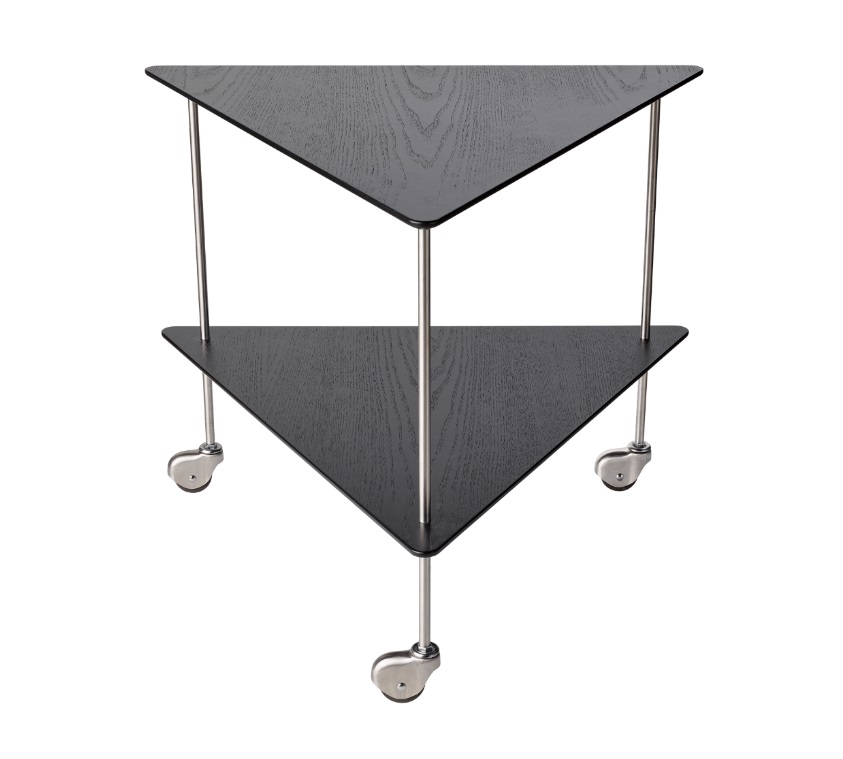
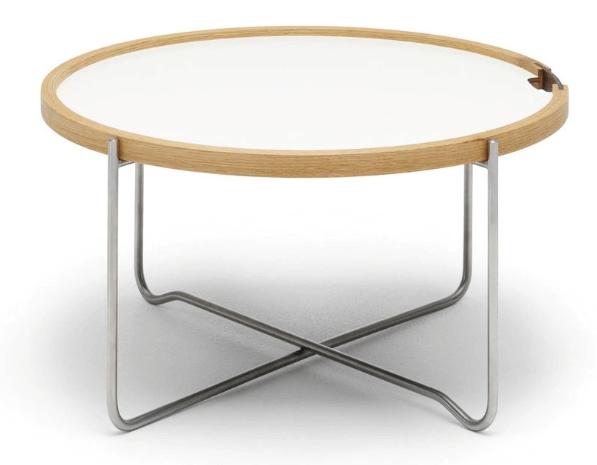
A mobile side table design with a sophisticated, architectural edge. Arne Jacobsen originally designed this elegant trolley for his tea. It has now been revived from the Fritz Hansen archive to serve as a bar cart, serving trolley or side table. This is a truly versatile and storied design.
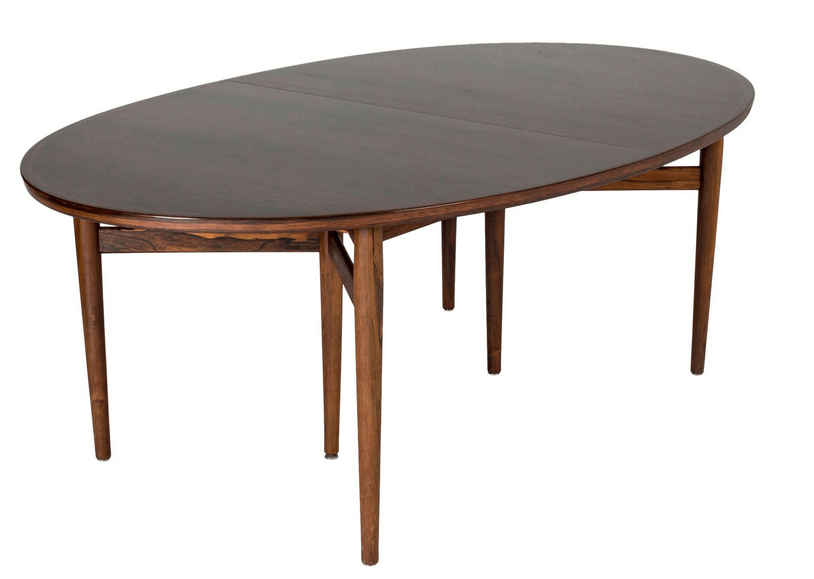
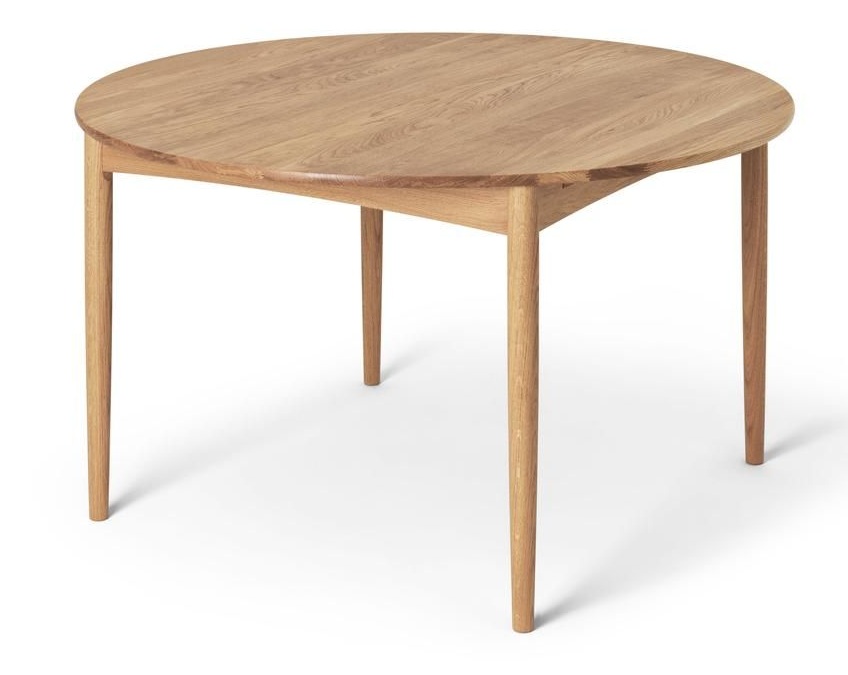
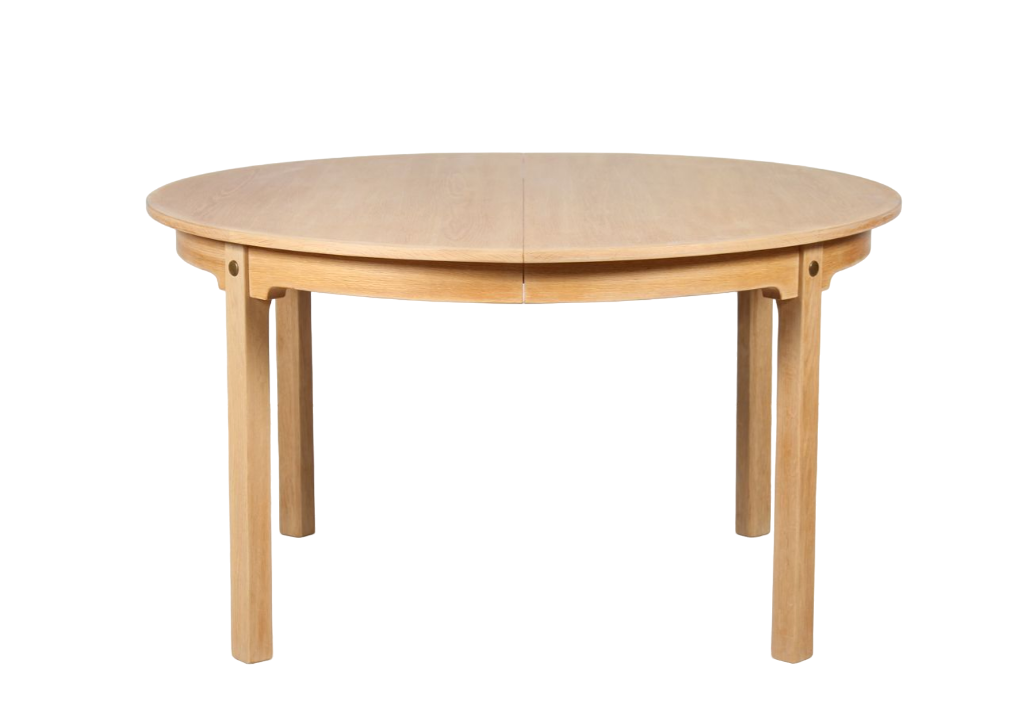
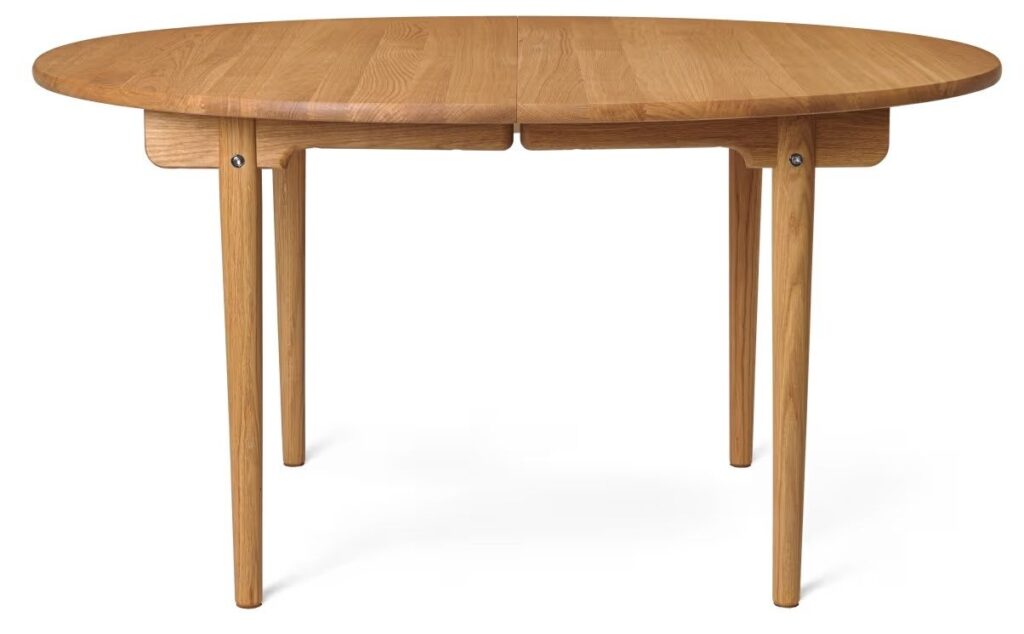
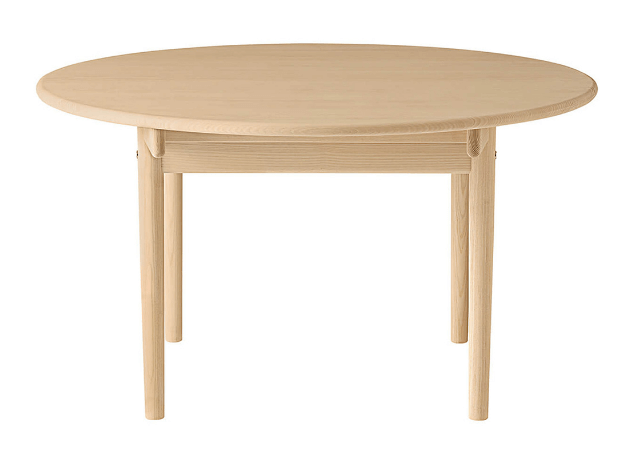
Børge Mogensen designed the BM0121 Dining Table in 1952 as a solution for small living environments to seat 4-6 people. The first extendable circular table by Mogensen in the Carl Hansen & Søn collection, the table is crafted in FSC-certified solid oak and displays a particularly light expression owing to a 19mmm thick tabletop, slightly tapered legs and an upwardly curving apron.
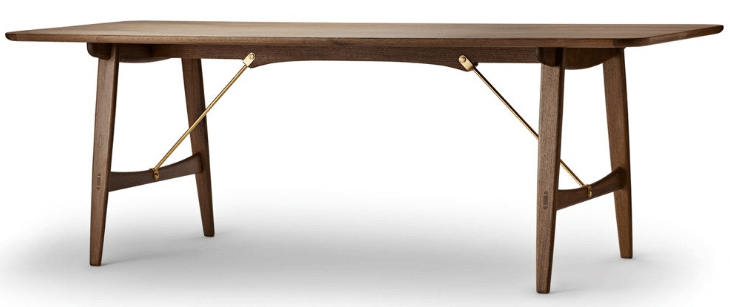
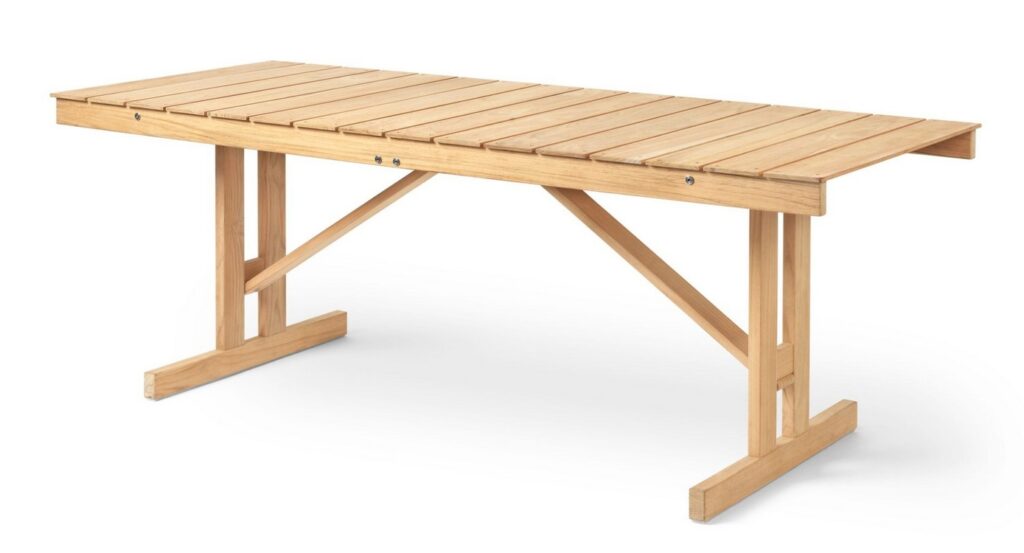
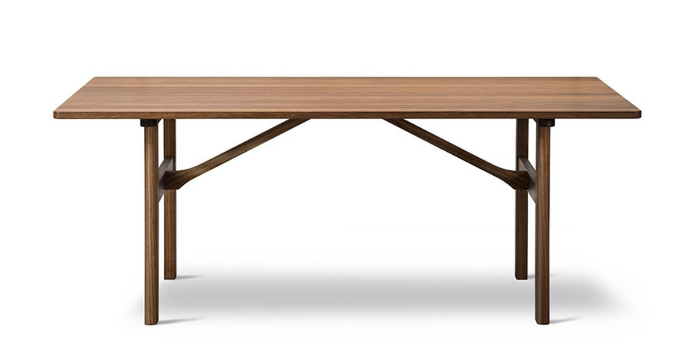
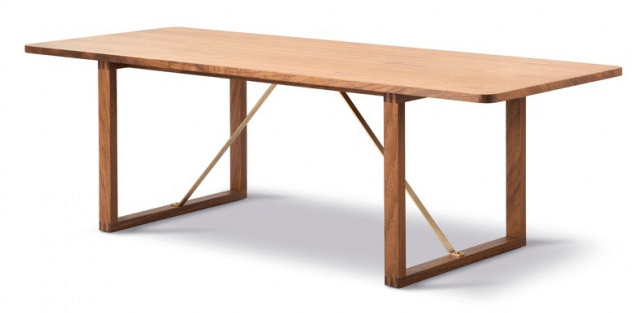
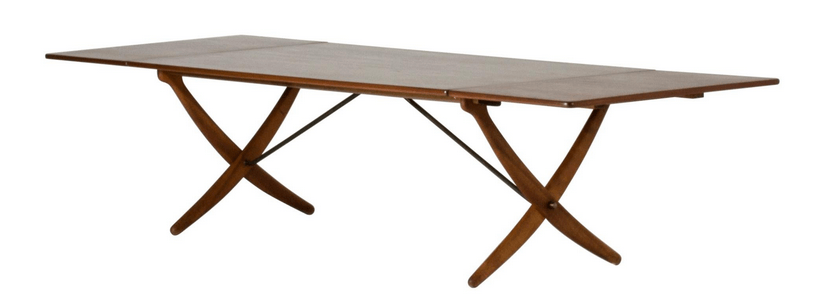
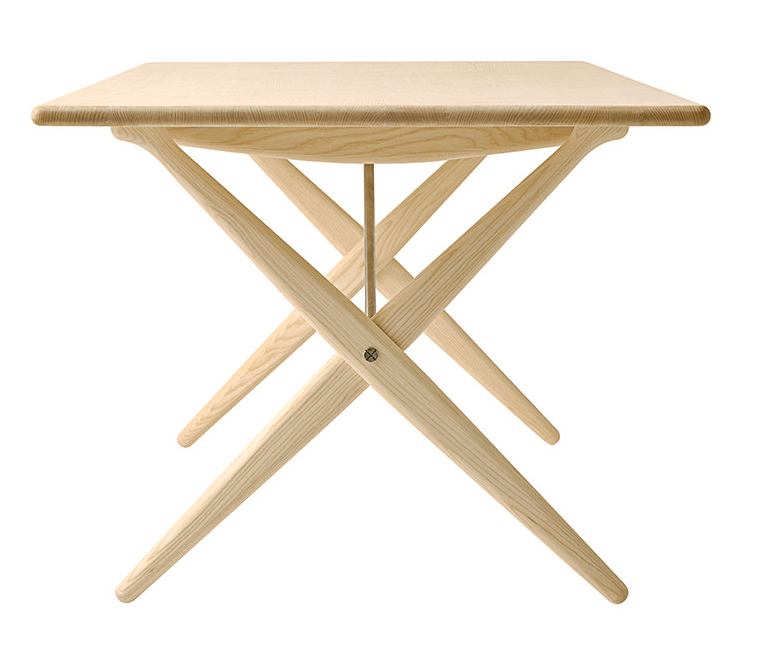
The BM1160 Hunting Table was made by Børge Mogensen. The name refers to the “Hunting Cabin” theme of the Guild’s exhibition, a detail which is also reflected in the table’s robustness and wood-focused design. Mogensen’s Hunting Table is slightly narrow across the top, which makes it suitable for smaller spaces, while allowing for more intimate social gatherings. Furthermore, the table is constructed for frequent use with rounded corners and edges in solid wood, which reveals Mogensen’s passion for democratic and accessible design. The stability is ensured through the use of two diagonal brace metal bars connecting the tabletop and frame with an aesthetically pleasing effect. Further detailing, such as the mortise and tenon joints on the legs manufactured in contrasting wood, accentuate the table’s handcrafted expression.
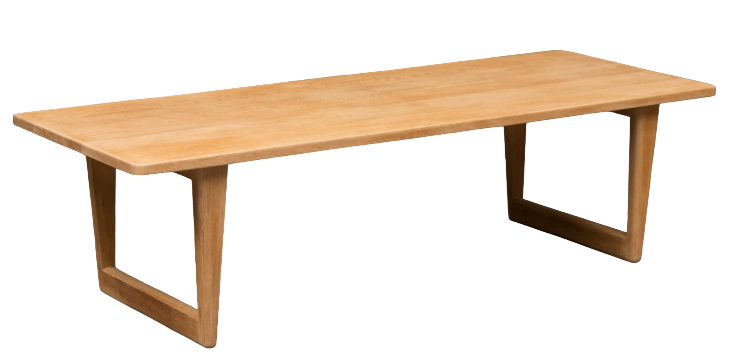
The BM67 Coffee Table, designed by Børge Mogensen in 1956, showcases a refined blend of solid wood and raw brass stretchers with a sleek sledge base emphasising its minimalist aesthetic. True to Mogensen’s philosophy, the simple design highlights the natural beauty of the materials, creating a timeless piece that enhances any modern living space or lounge with understated elegance.
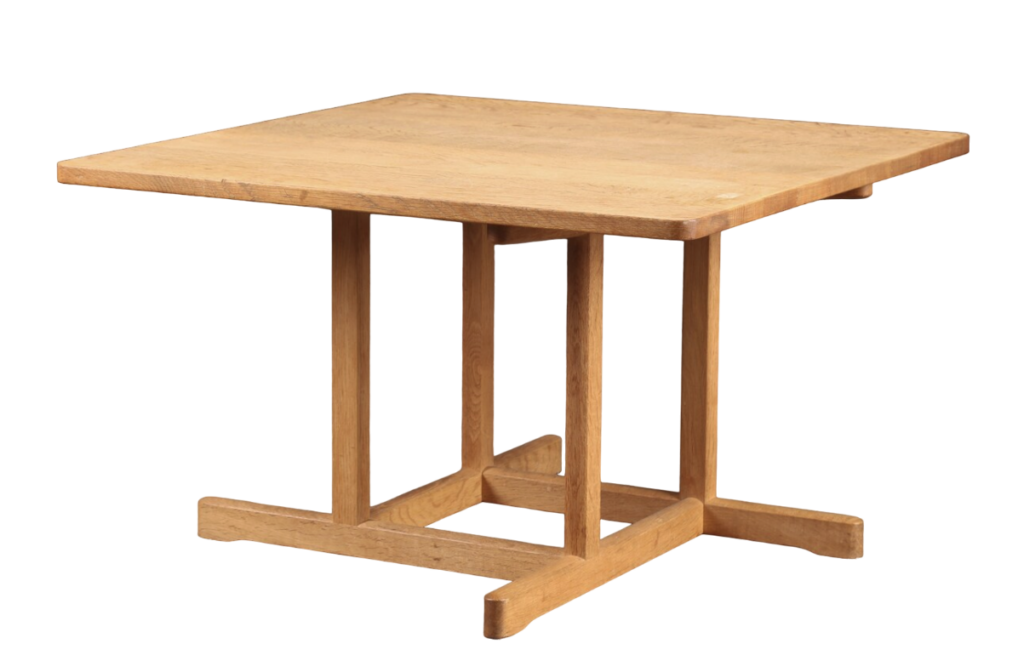
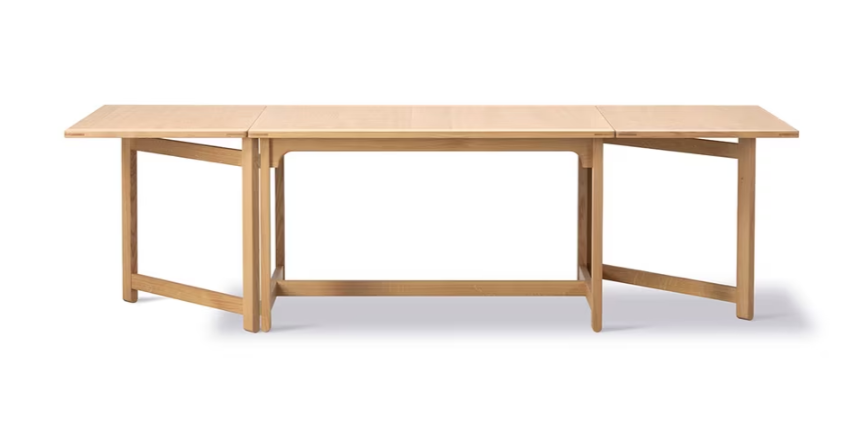
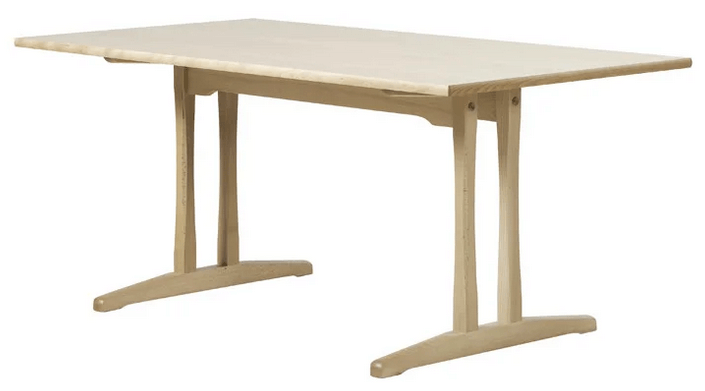
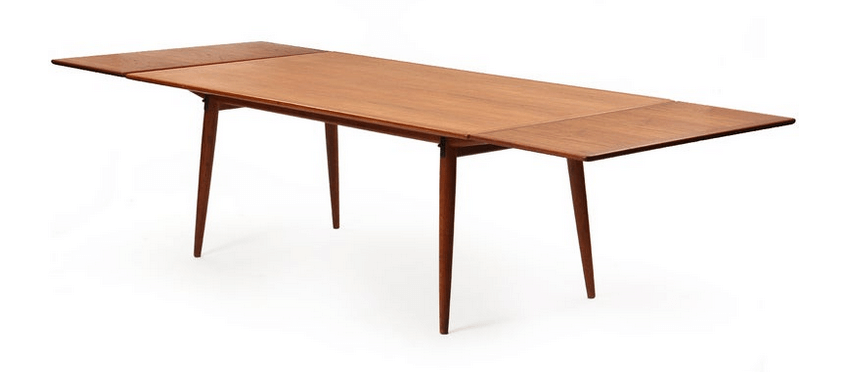
The classic dining table C18 was designed in 1947 by Børge Mogensen as a practical and elegant table for life at home. The table is made of solid oak with brass fittings that patinate beautifully. The retracted leg construction with no legs in the corners makes room for virtually any chair to be used at this table.
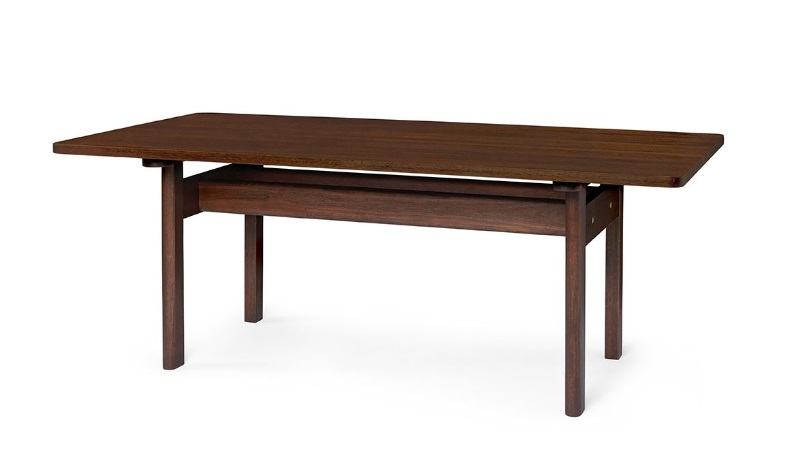
Shaped from solid, dark-oiled eucalyptus, the Asserbo Table exudes a simple stringency that alludes to the Shaker style. Designed in 1961 by Børge Mogensen to meet his own furniture needs, its gently rounded shape is punctuated with brushed brass screws. A piece with high utility value, the table is ideal for private and holiday homes, but also for restaurants and public spaces as a gathering point for meetings, meals and conversations.
The Bovirke Table, designed by Finn Juhl in 1948, embodies a simple, elegant, and highly versatile design. Functionalism unites with aesthetics in this timeless dining table that is beautifully crafted at our wood workshop in Ringkøbing on the West Coast of Denmark. The table is crafted in either oak or walnut, or in a combination with an oak frame and walnut for the top and toes. Two extension leaves can be ordered for the extendable version. The table is also available in a non-extendable version. The frame is manufactured in solid wood and the table top and extension leaves are crafted in veneer or linoleum with solid edges.
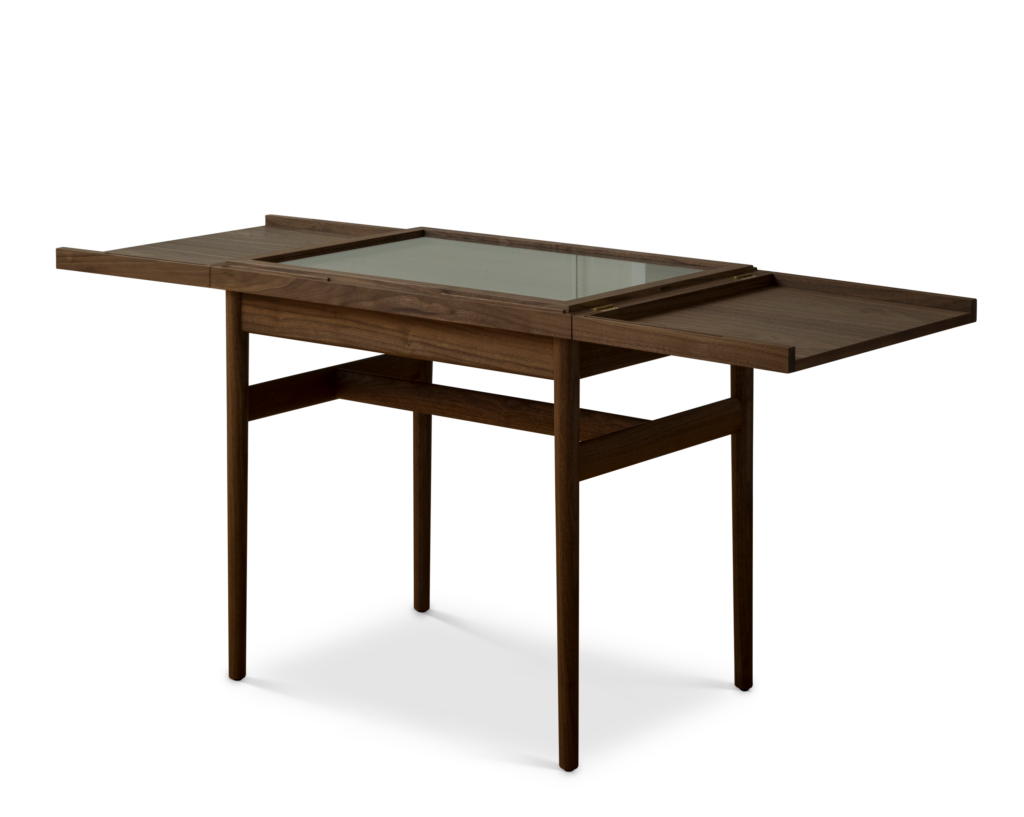
Finn Juhl designed the table for his and Niels Vodder’s stand at the Cabinetmakers’ Guild Exhibition at the Danish Museum of Art & Design in 1948. The table is produced in American black walnut, with a solid frame and edges. The tabletop is veneered, so that one can experience the grain of the tree in an unbroken fashion. The glass case is fitted into a separate compartment, which is also made from walnut and is removable.
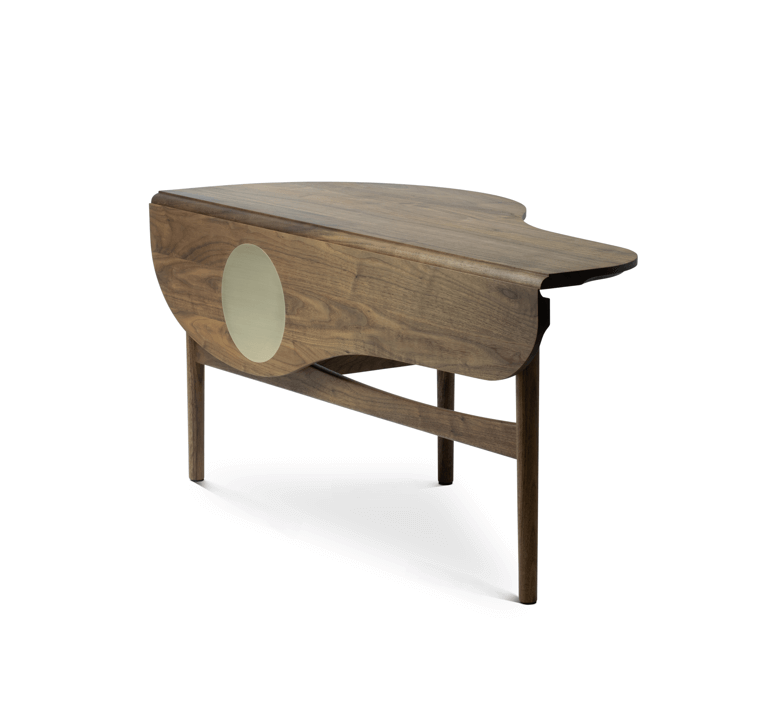
The Butterfly Table, designed by Finn Juhl in 1949, is a very exclusive table. It was practically never produced at its time of creation. Displayed alongside the iconic Chieftain Chair, Chieftain Sofa, and Egyptian Chair during the famous 1949 Guild Exhibition, the Butterfly Table was on behalf of cabinetmaker Niels Vodder. The table is manufactured in walnut with a circular brass inlay.
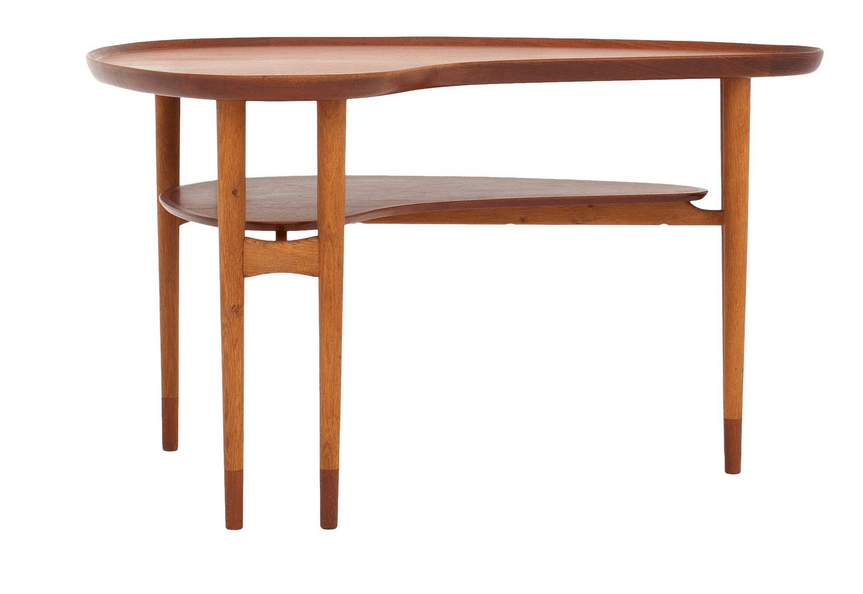
A simple and modern coffee table designed by Finn Juhl. The eyeboard was drawn in 1946 to the FJ4600 sofa. It was during the time when Finn Juhl was very inspired by modern art with Picasso, Henry Moore and the specie Hans Arp, whose wooden sculptures inspired him life through. The coffee table is ideal for the sofa corner. You can use it for a set-up table so you can enjoy a cup of coffee or a good book on the sofa or in your favorite armchair. The table is made in the best matrials, and it only gets more beautiful with the years the tree patinates.
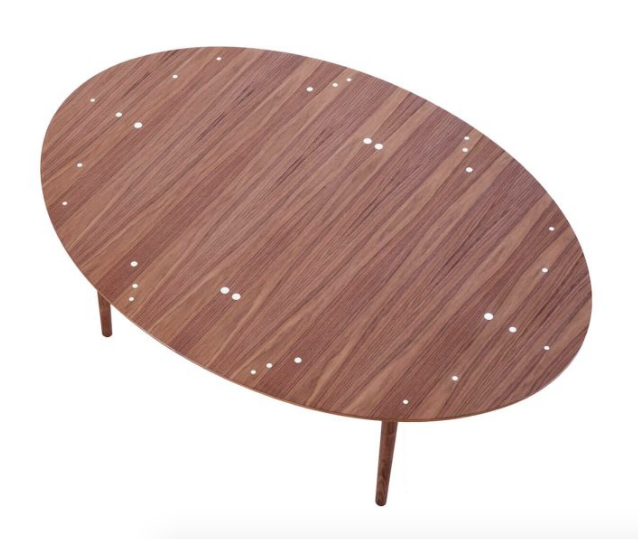
One of Finn Juhl’s most renowned and extravagant designs, the spacious Silver Table from 1948 is a remarkable example of his ability to merge bold aesthetics with refined craftsmanship and rare materials. The sterling silver inlays serve not only as an exclusive decorative detail but also as a functional guide to seating capacity — accommodating anywhere from four to fourteen people.
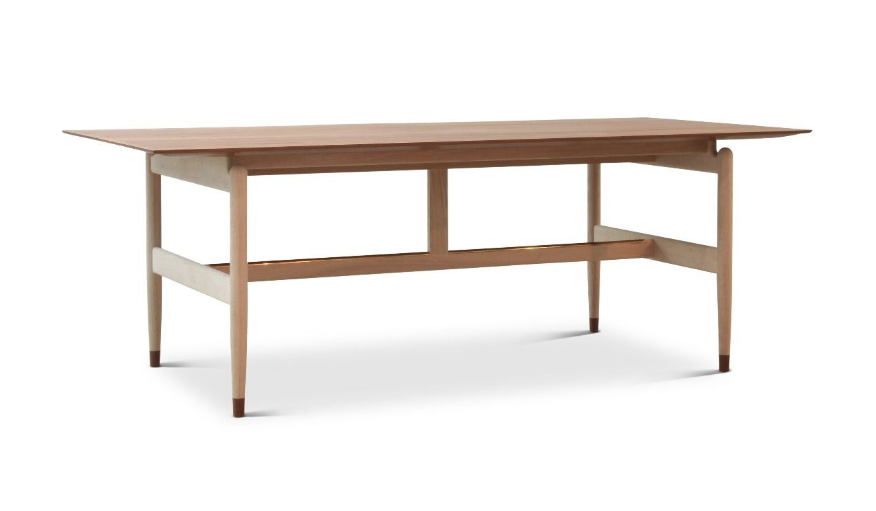
Like many of Finn Juhl’s iconic designs, the Kaufmann Table was originally designed for his own home. With its unusually refined edge profile, the table stands in a class of its own, creating the illusion of the tabletop floating above the frame. The name honors Finn Juhl’s friend Edgar Kaufmann Jr., former director of the Industrial Design Department at the Museum of Modern Art in New York City. Almost entirely handcrafted, the table is constructed from oak, featuring a veneered walnut tabletop with solid edges.
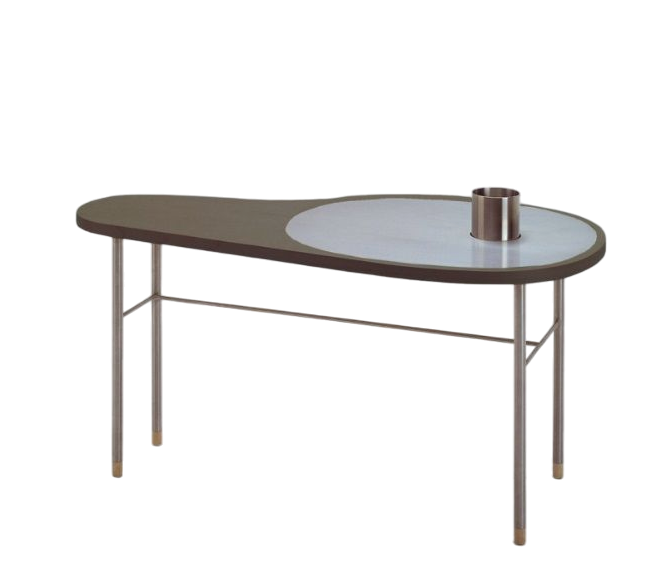
The Ross Coffee Table was unconventional for its time but illustrates an early interest in the principles that would later come to define Danish furniture design. The table is made of stainless steel with an organically shaped tabletop in veneered walnut and stainless-steel inlays. It is available both with and without an integrated stainless-steel vase.
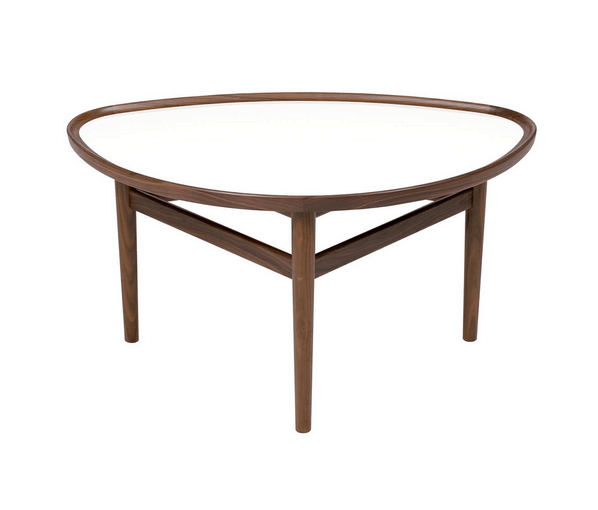
Originally designed in 1951 for Baker Furniture in the U.S., the Cocktail Table builds on the smaller Eye Table with a refined, sculptural edge. Light and elegant, it was created to complement the Baker Sofa and cater to the American lifestyle, where grand cocktail parties were a hallmark of the era. It is crafted in oak or walnut, with a tabletop in veneer, white nano laminate, or black linoleum.
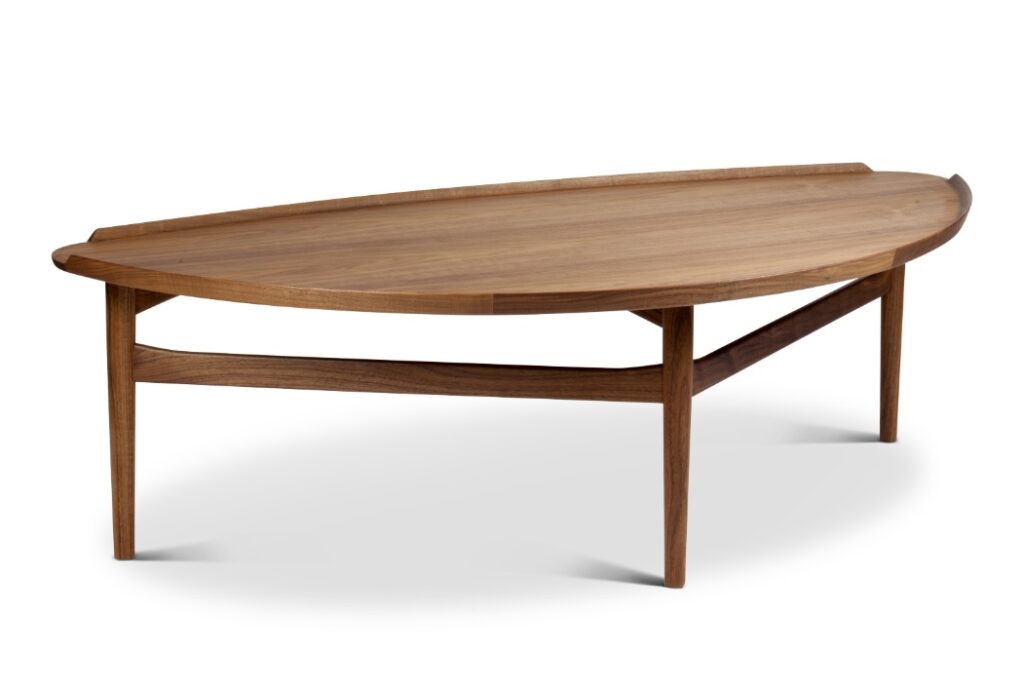
At the 1940 Cabinetmakers’ Guild Exhibition in Copenhagen, the Pelican Chair was presented together with the Pelican Table – both bearing witness to Finn Juhl’s strong affinity for modern art. However, the table was never put into production and was only rediscovered at a Paris auction nearly 75 years later, allowing the accurate design and measurements of the table to be finally determined. Today, the Pelican Table is available in oak, walnut, Oregon pine, or painted black.
Expanding on the concept of his renowned Turning Trays, Finn Juhl introduced the distinctive, compact Tray Table in 1965. Its reversible tray features two contrasting sides in different materials or colors. The version with high-gloss laminate offers one white side and a choice of black, light blue, or light green on the reverse.
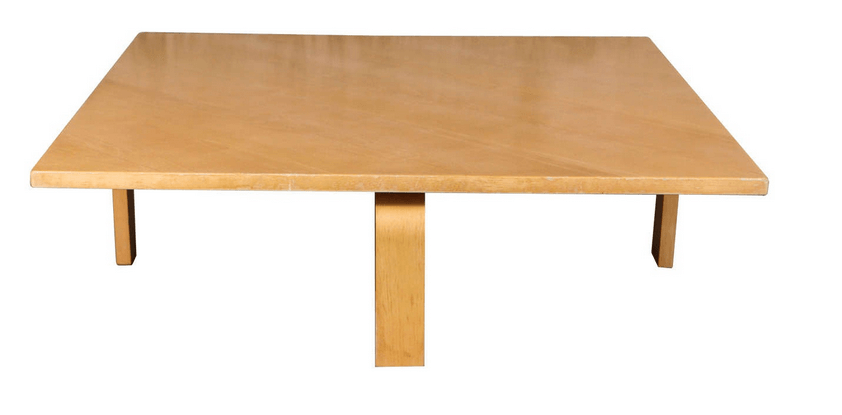
Originally designed by Finn Juhl for France & Son in 1958, the 500 Series of coffee tables echoes the refined aesthetic of the Japan Series. While not as widely known as some of his more daring pieces, the table remains timeless, thanks to its classic form and elegant detailing. Crafted from solid wood, it is distinguished by raised edges and angular legs. Today, the 500 Table is produced in solid oak or walnut and available in two sizes.
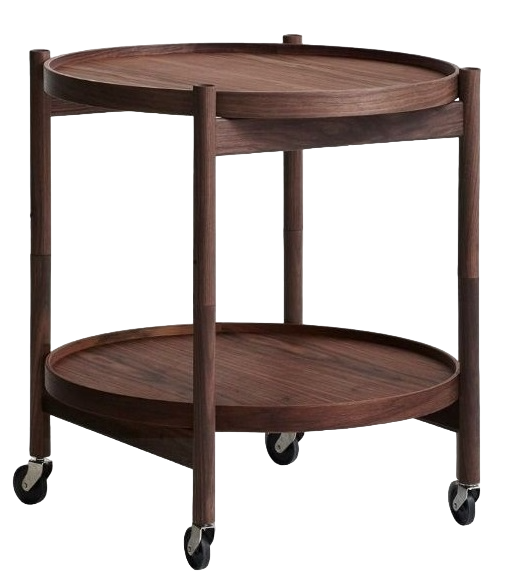
In 1963, Danish architect Hans Bølling designed a simple, elegant, and mobile table, which was easy to handle. Since then, it has become a symbol of the playful functionalism of the golden Danish Modern era – and a design idea that is still relevant today. A Danish classic.
Designed in 1960, along with Ox Chair and Queen Chair, the Ox Table fits as a natural centrepiece. A classic Hans. J. Wegner piece of furniture in a simple, yet complex design with a self-supporting construction completed without any side rails resulting in a sleek and elegant profile. The table is available in two heights, and more tables can put together with overlapping table tops.
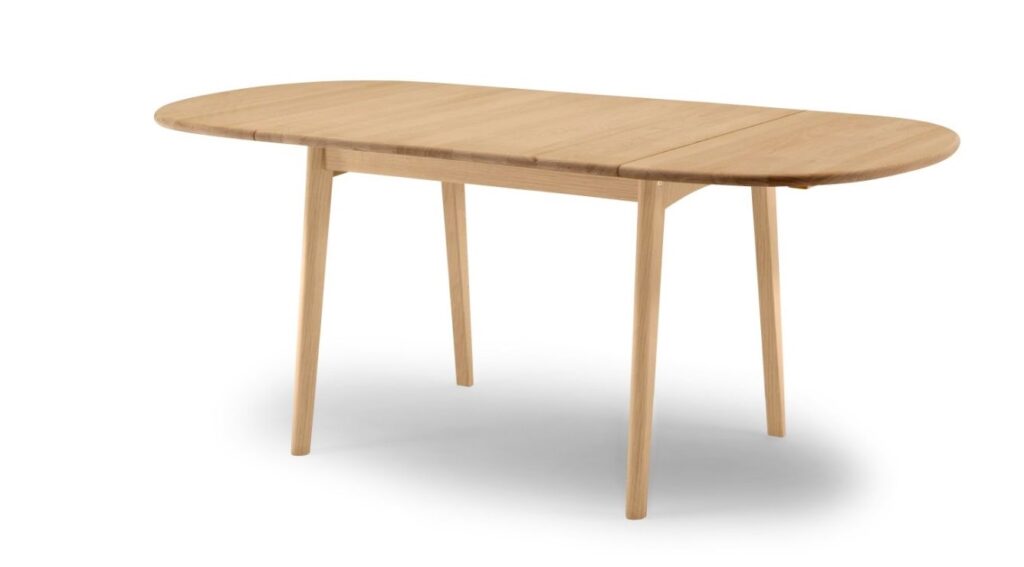
The CH002 is the smaller of two dining tables that Hans J. Wegner created in 1982. The table expresses Wegner’s functional design philosophy through an appealing solution for modern interiors. The CH002 is crafted to fit smaller spaces, and can be extended easily with two accompanying leaves.
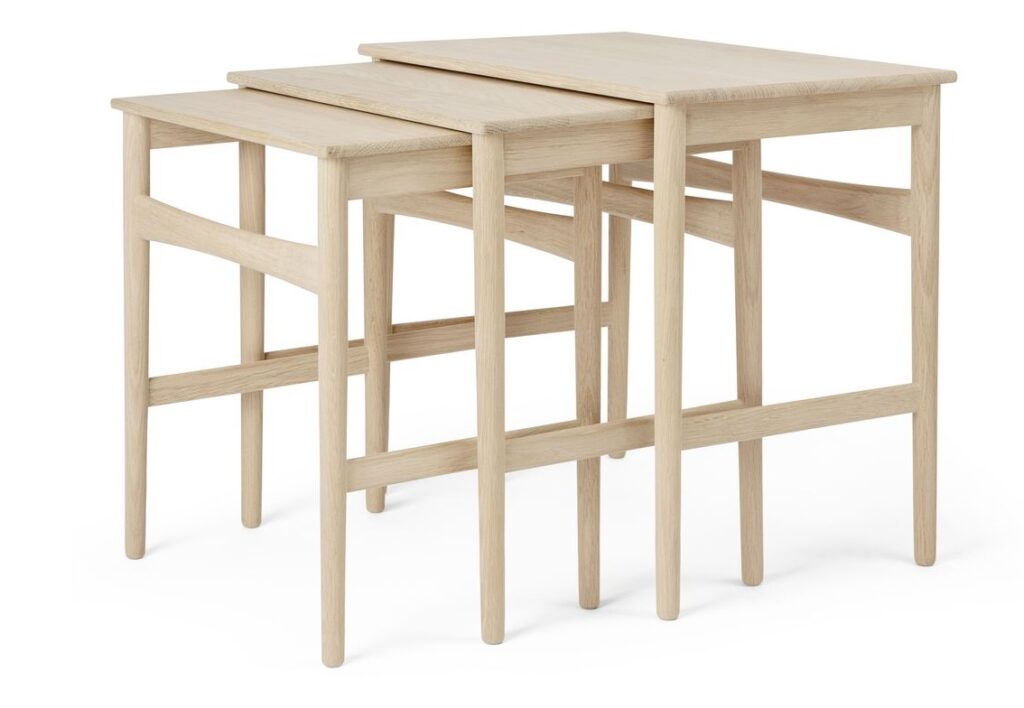
Hans J. Wegner’s iconic Nesting Tables were first launched in 1952. Due to their lightness, space-optimised design and classic Wegner minimalism, the side tables go well with any interior. The Nesting Tables consist of three different-sized nesting tables that can be used individually or combined.
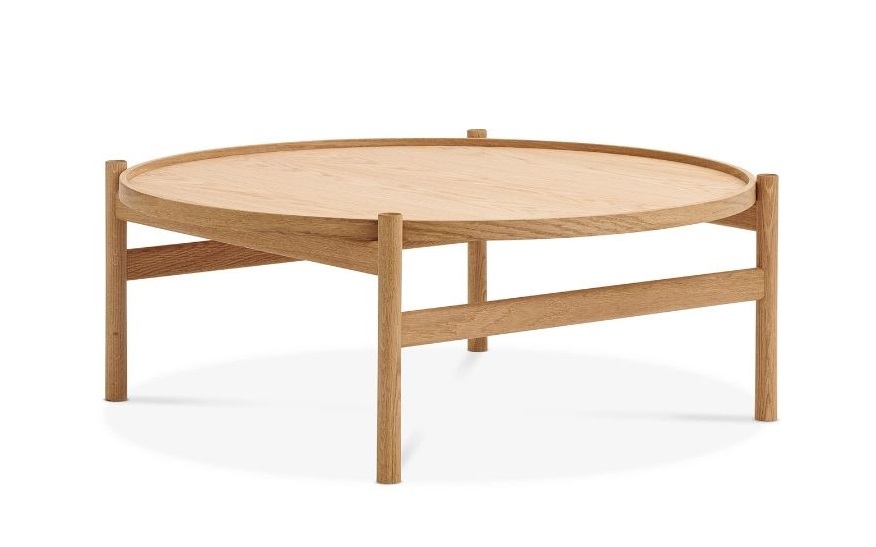
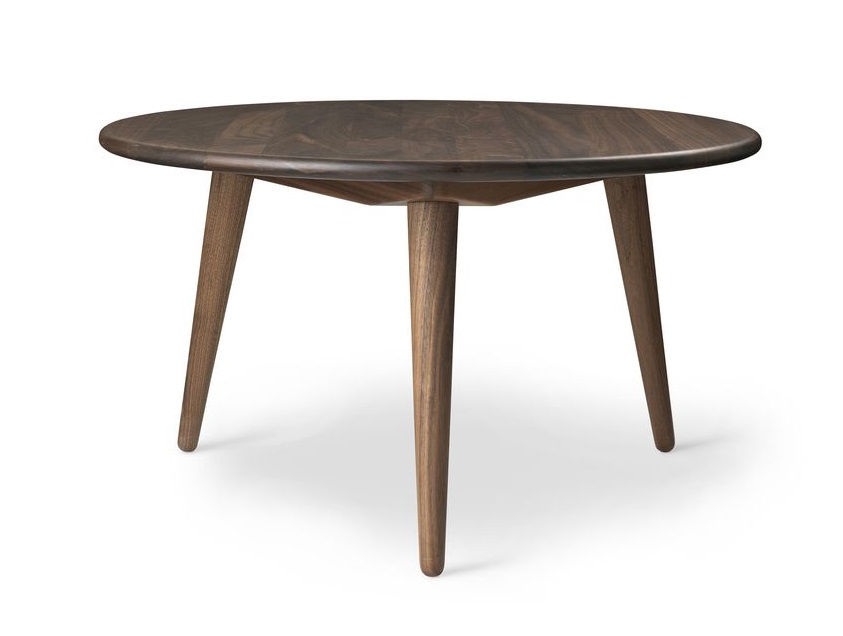
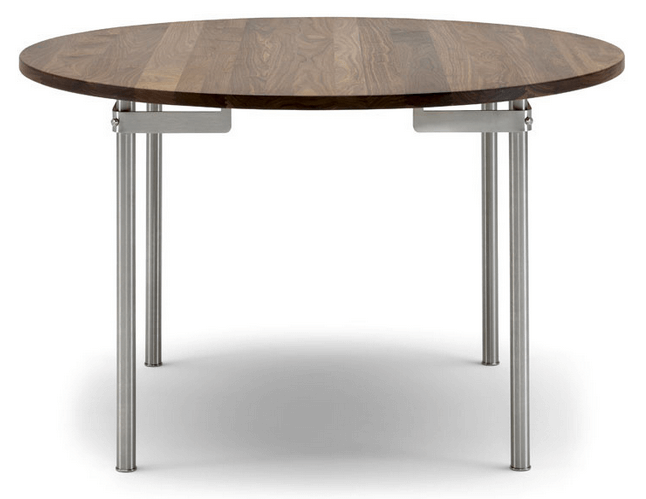
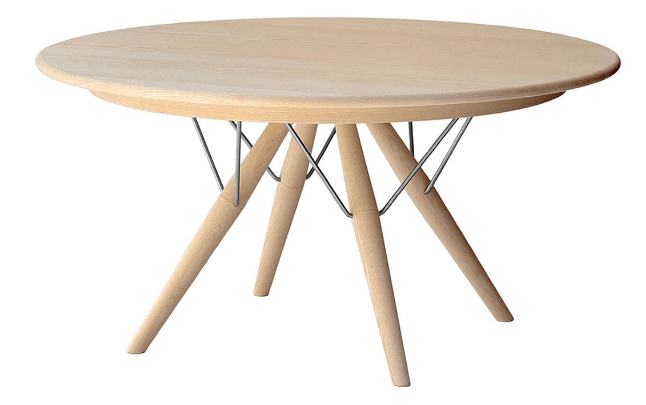
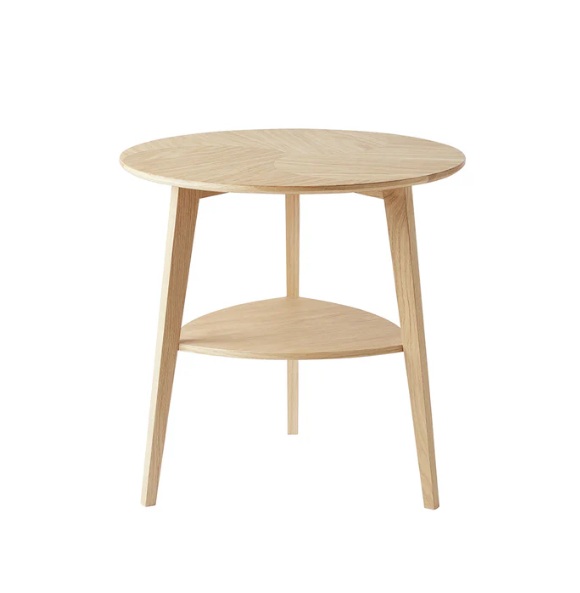
CH008 consists of a round tabletop on a frame with three detachable, tapered legs. To support the tabletop, and as a link between the top and the legs, the table has a solid triangular frame, the corners of which are cut off at an angle at the edge of the tabletop. The legs are screwed into these surfaces to achieve their slanted outward direction. The rounding of the legs gives the coffee table an elegant and almost floating look.
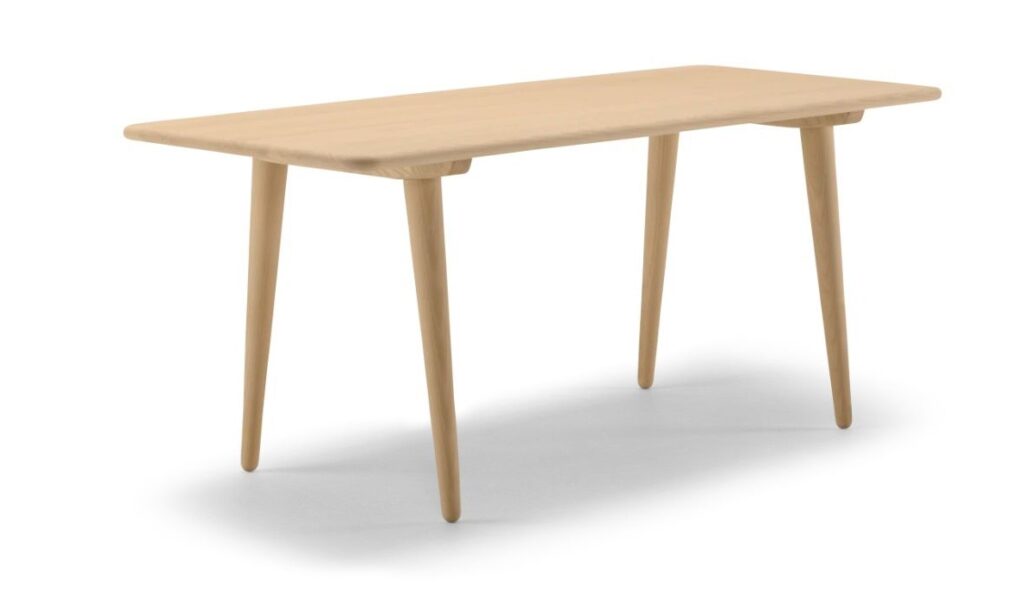
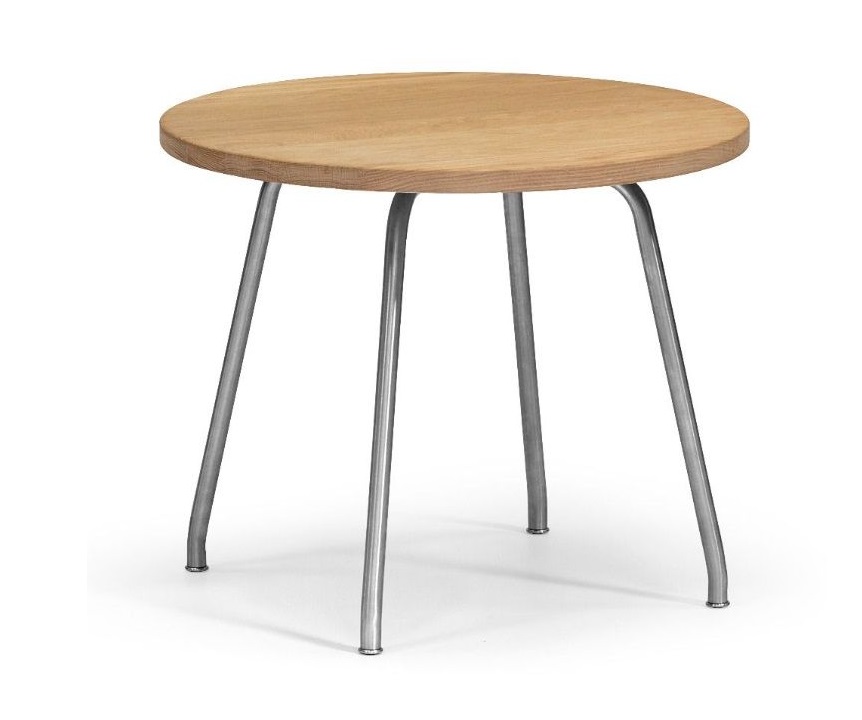
Hans J. Wegner’s CH011 coffee table combines the beautiful and the practical to make an elegant piece of furniture that will naturally fit in many spaces.
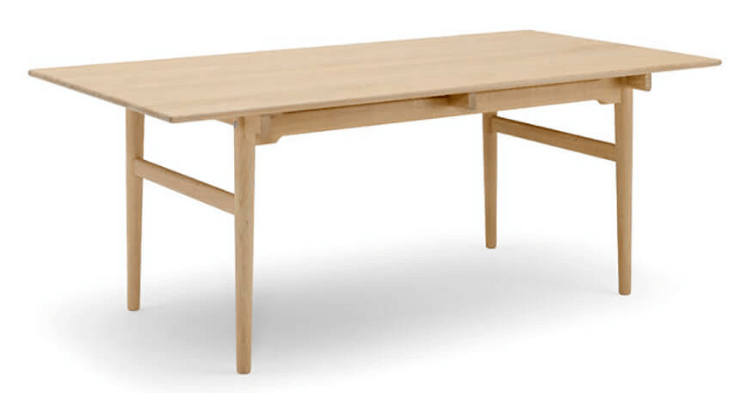
Hans J. Wegner’s CH327 dining table from 1962 is a good example of how creativity combined with excellent craftsmanship can result in a different and exciting design. CH327 is a solid wood dining table with softened edges and rounded legs that become narrower towards the floor.
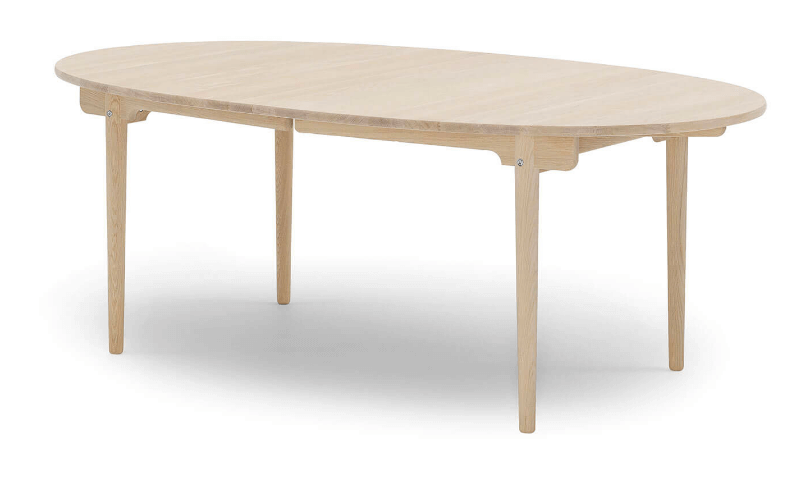
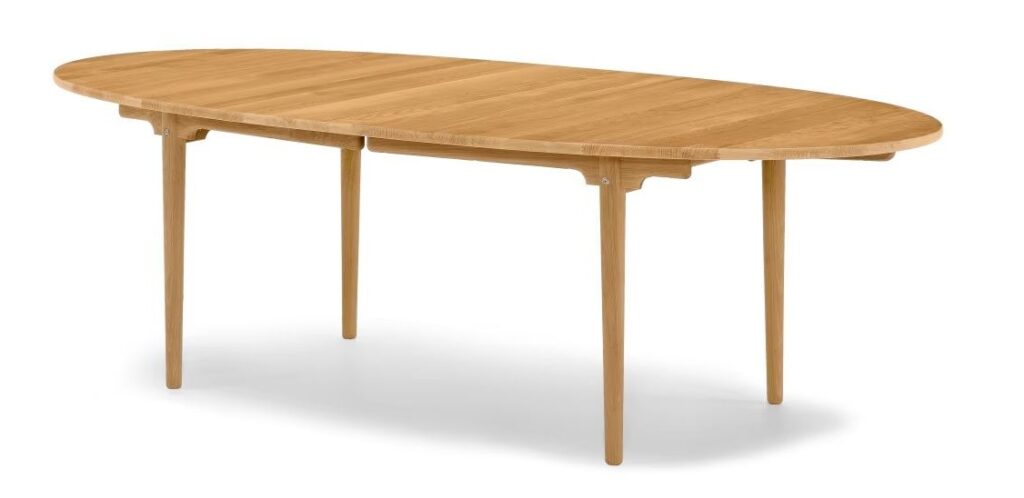
Beautiful wooden table designed by Hans J. Wegner. The CH337 is an elegant and functional table, which with its elliptical table top creates the dynamics and tranquility of the home. CH337 is the perfect dining table, as it invites conversation and enjoyment when everyone is gathered. The table is produced by Carl Hansen & Søn, where the solid and passionate craftsmanship completes Wegner’s design. CH337 is a beautiful and functional piece of furniture that can collect all the ones you care about.
Beautiful wooden table designed by Hans J. Wegner. The CH338 is an elegant and functional table, which with its elliptical table top creates the dynamics and tranquility of the home. CH338 is the perfect dining table, as it invites conversation and enjoyment when everyone is gathered. The table is produced by Carl Hansen & Søn, where the solid and passionate craftsmanship completes Wegner’s design. CH338 is a beautiful and functional piece of furniture that can collect all the ones you care about.
Minimalist table designed by Hans J. Wegner in 1955. PP85 illustrates Wegner’s ability to create a topical and aesthetic design.The table is very simple, Wegner manages to make the sum of the individual components an aesthetic experience out of the ordinary.
Coffee Table No. 25 radiates charm and character. Designed by Jørgen Aakjær Jørgensen in the 1960s, this table captures the essence of Danish craftsmanship with its simple yet captivating forms. The solid profile edge beautifully frames the tabletop, while the iconic legs add an artistic dimension. If you feel a sense of familiarity with Coffee Table No. 25, you’re absolutely right; this model is a true classic from the 1950s. Each time you look at No. 25, you notice the subtle details that make the table unique.
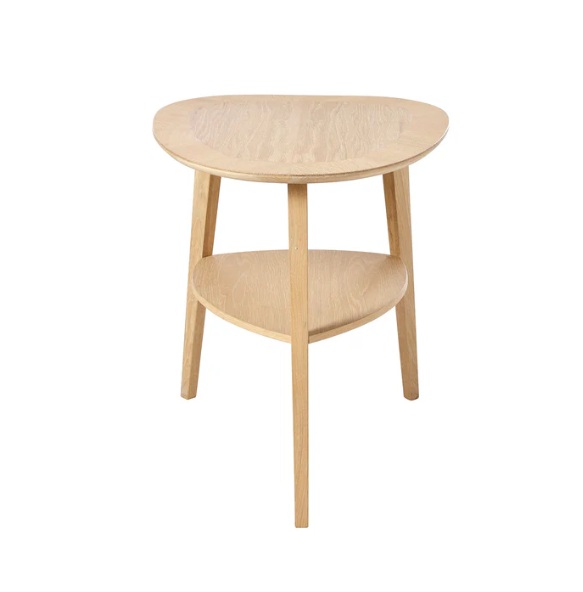
Coffee Table No. 55 is an excellent example of timeless Danish design. Its triangular shape adds a dynamic dimension to any space, while the soft curves invite relaxation and togetherness. Jørgen Aakjær Jørgensen’s mastery in combining aesthetics with functionality is evident in this table, which brings both beauty and practical usability into your home.
No. 100 is not just a table; it is part of a heritage that dates back to the 1960s. Designed by Jørgen Aakjær Jørgensen, a name synonymous with quality and aesthetics in Danish design, this coffee table combines elegance and functionality. The original models were often crafted from woods such as teak or rosewood. Today, No. 100 has been adapted to modern interior styles with a contemporary finish in European oak. Every time you sit at this table, you invite a story into your home – a story of timeless values where craftsmanship and design go hand in hand.
Discover Drops Table, where art meets functionality. This small side table creates a unique aesthetic experience in your home with its intarsia pattern. The round shape and playful drop elements add an organic character that brings life to any room while maintaining a stylish and modern appeal.
Discover Heart Table, an expression of Jørgen Aakjær Jørgensen’s love for minimalism. This side table combines clean lines with rich craftsmanship traditions. Its timeless design makes it an ideal choice for any modern home, adding a subtle elegance and character.
Surf Table, designed by Jørgen Aakjær Jørgensen, embodies the essence of minimalist design. The oval tabletop and elegant legs create a harmonious balance that makes the table a focal point in any room. This piece of furniture is not only beautiful; it is also a tribute to Danish design tradition and craftsmanship.
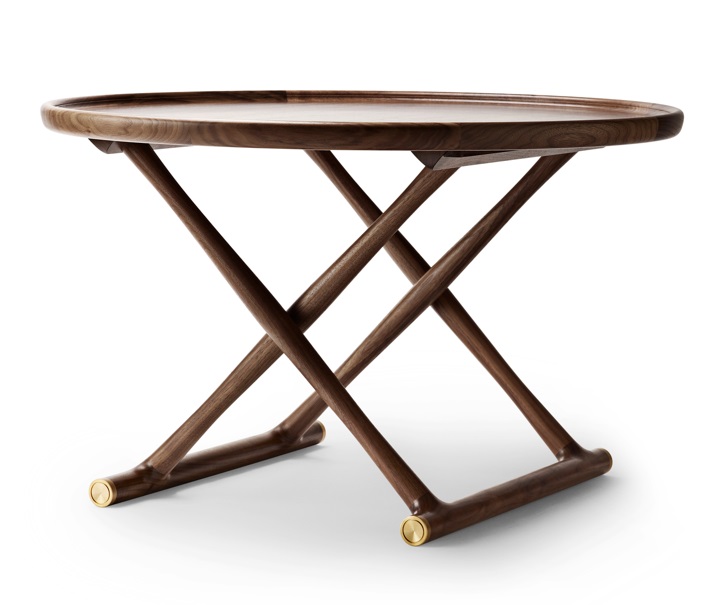
Mogens Lassen designed the ML10097 Egyptian Table after being inspired by folding stands found in Tutankhamun’s tomb in 1922. The table was first shown at the Copenhagen Cabinetmakers’ Guild Exhibition in 1940.
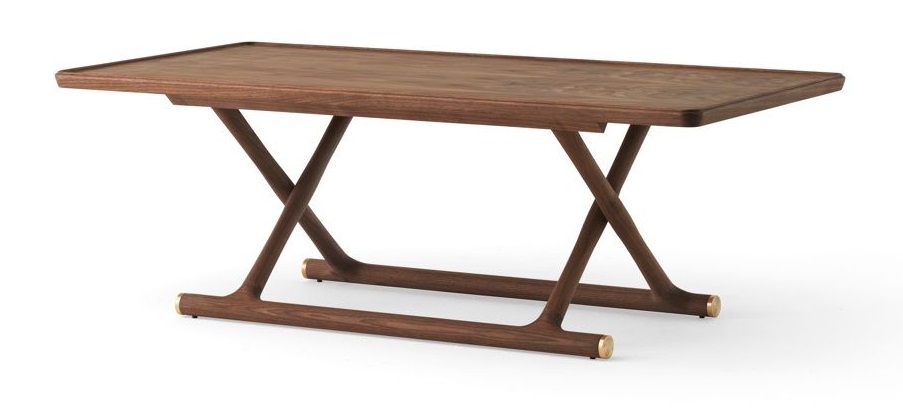
An archival design from 1941, Mogens Lassen’s foldable Jäger Lounge Table is reissued to a modern audience. Its name comes from the merchant for which it was created, and its design is inspired by the folding stools and beds found in Tutankhamen’s Egyptian tomb. Shaped from wood – oiled oak, black stained oak or oiled walnut – brass fittings detail the iconic piece of Danish design. The table also features a brass plaque engraved with a unique serial number.
GM 3400 Chess table has a hidden Butterfly-extension leaf, which is easy to handle and pull out. The Chess Solid dining table combines practicality with elegance, making the model something near the ideal heart of any home with life and activity.
The GM 9900 Point series is designed by Nissen & Gehl MDD with inspiration from the organic furniture style of the 50s. The series is a collection of tables with organic and soft shapes, where the design is completed by the tapered legs available both with or without a steel base.
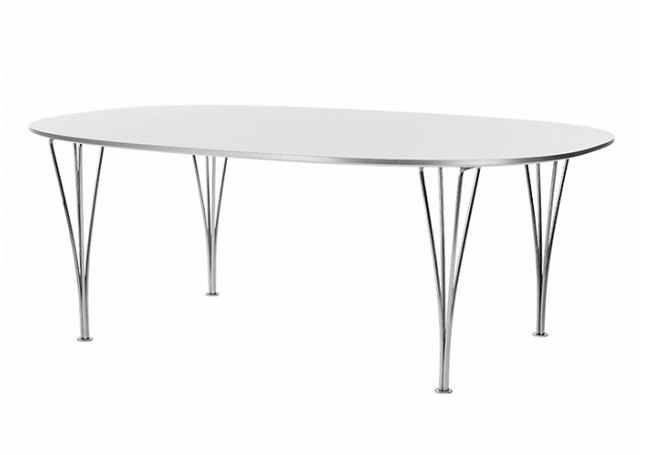
The Super-Ellipse table is designed by Piet Hein and Bruno Mattson back in 1968. The Super-Ellipse table is today a timeless and classic design icon worldwide.The harmonic oval shape of the dining table is inspired by Piet Hein’s innovative design of a roundabout at Sergels Torg in Stockholm.
PK54 by Poul Kjærholm
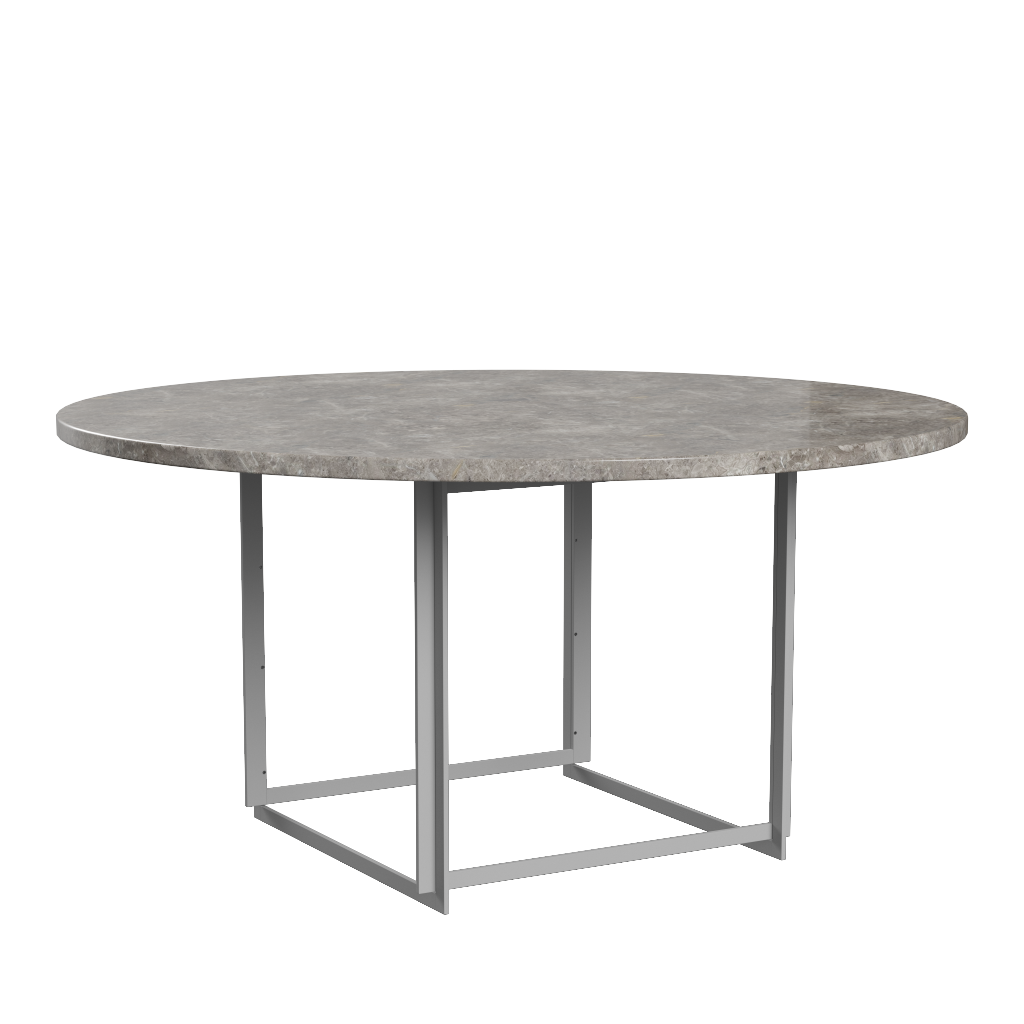
The PK54™ dining table represents an exploration of contrasting materials and forms by Poul Kjærholm. Circle meets square, marble meets mineral – every time you look at it, new details emerge. Featuring Italian marble or granite and a satin-polished steel frame, the PK54 ™ and its delicate unevenness makes it the natural focal point in any room.
PK51 by Poul Kjærholm
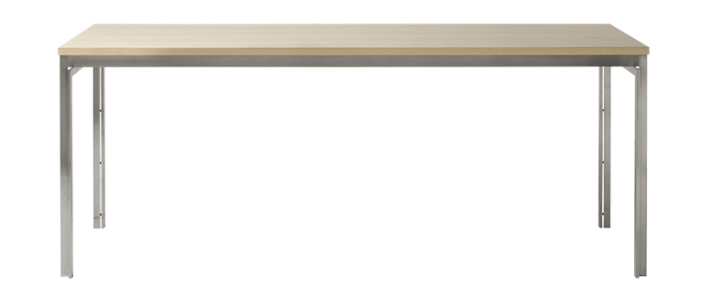
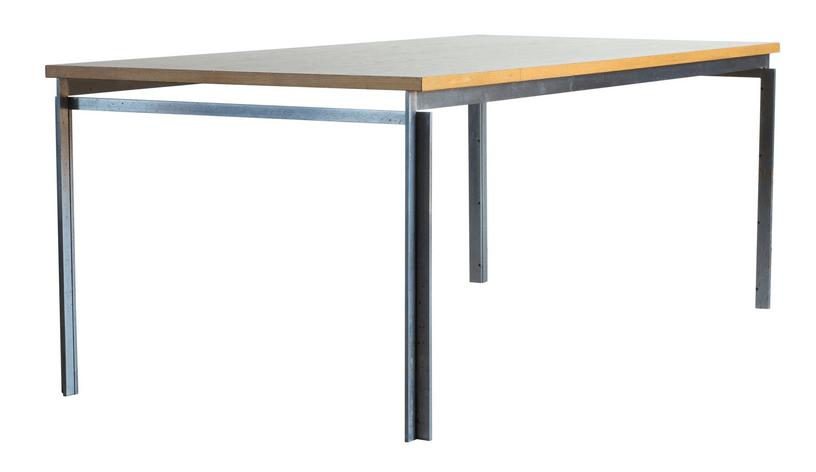
The PK51™ is an iconic rectangular worktable handcrafted in 1957 by Poul Kjærholm. Characterised by an ash veneer tabletop and a satinbrushed stainless steel frame, the table was originally launched together with PK11™ as a matching set.
PK55 by Poul Kjærholm
The PK55™ is an iconic rectangular worktable handcrafted in 1957 by Poul Kjærholm. Characterised by an ash veneer tabletop and a satinbrushed stainless steel frame, the PK55 was launched as a smaller version of the PK51™.
PK60 by Poul Kjærholm
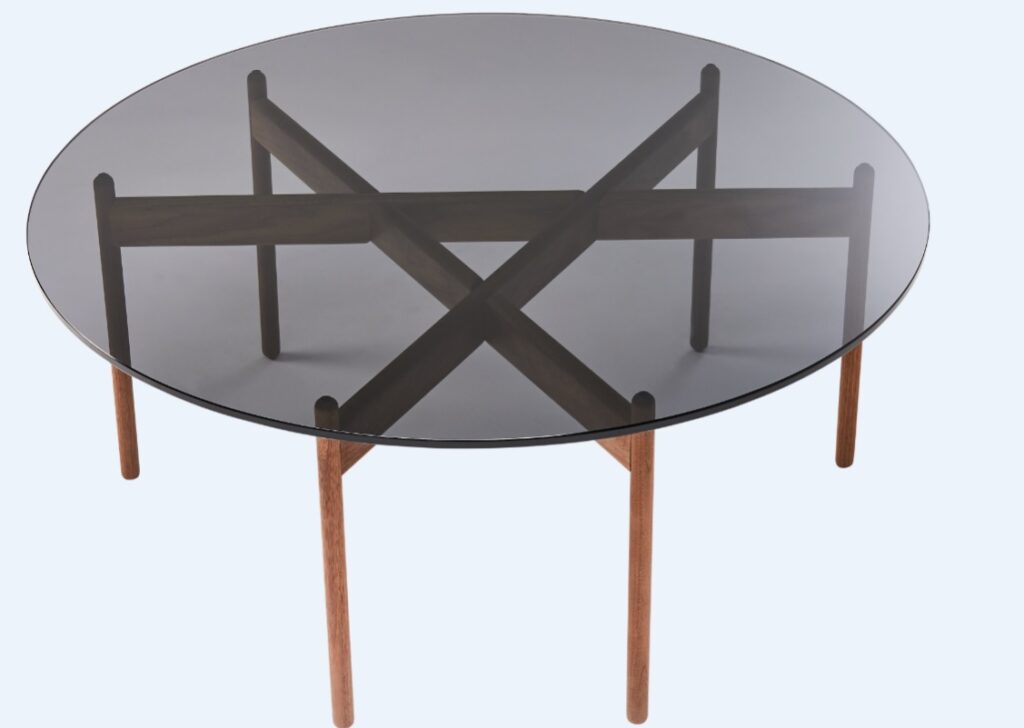
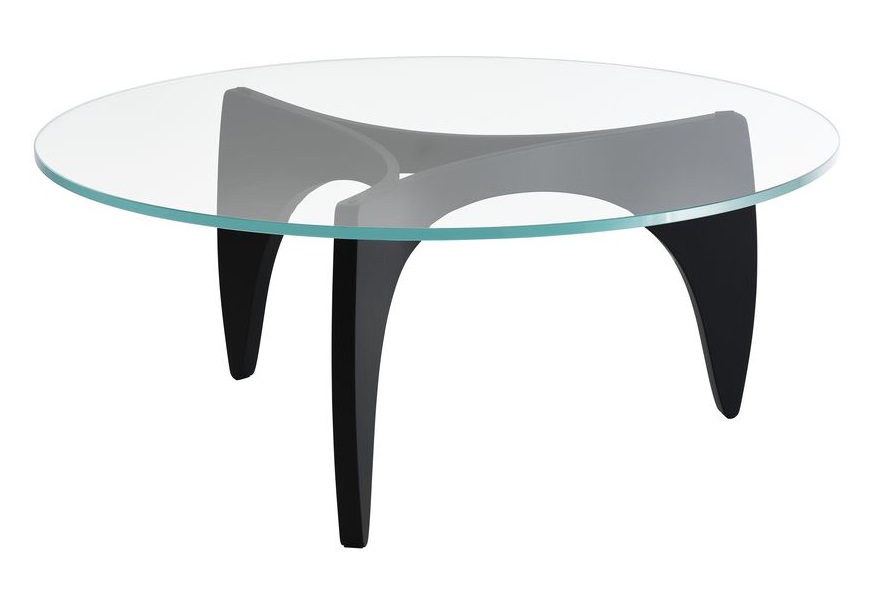
Conceived at Fritz Hansen in 1952 together with the PK0 A™ chair, Poul Kjærholm’s previously unreleased PK60™ coffee table is a striking tribute to aesthetics and function. Combining talented craftsmanship with innovation, the glass and wood veneer design is a significant piece of mid-century Danish design.
PK61 by Poul Kjærholm
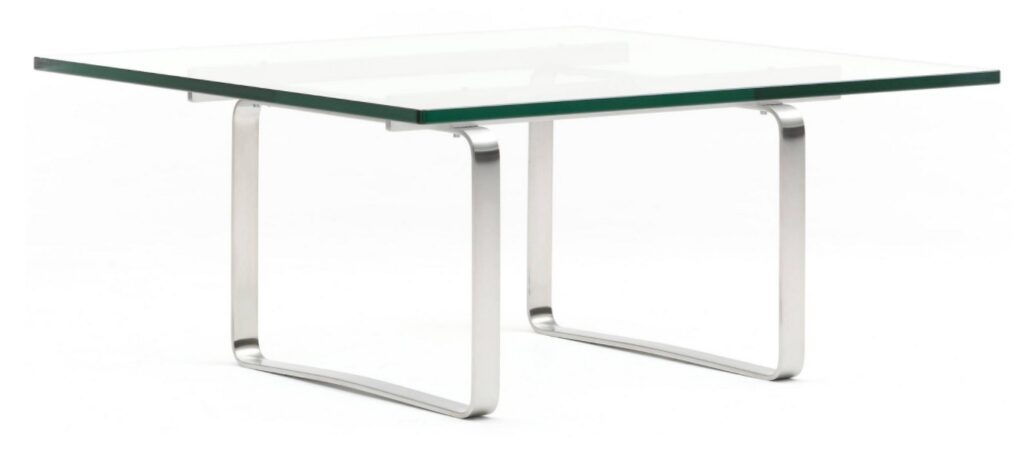
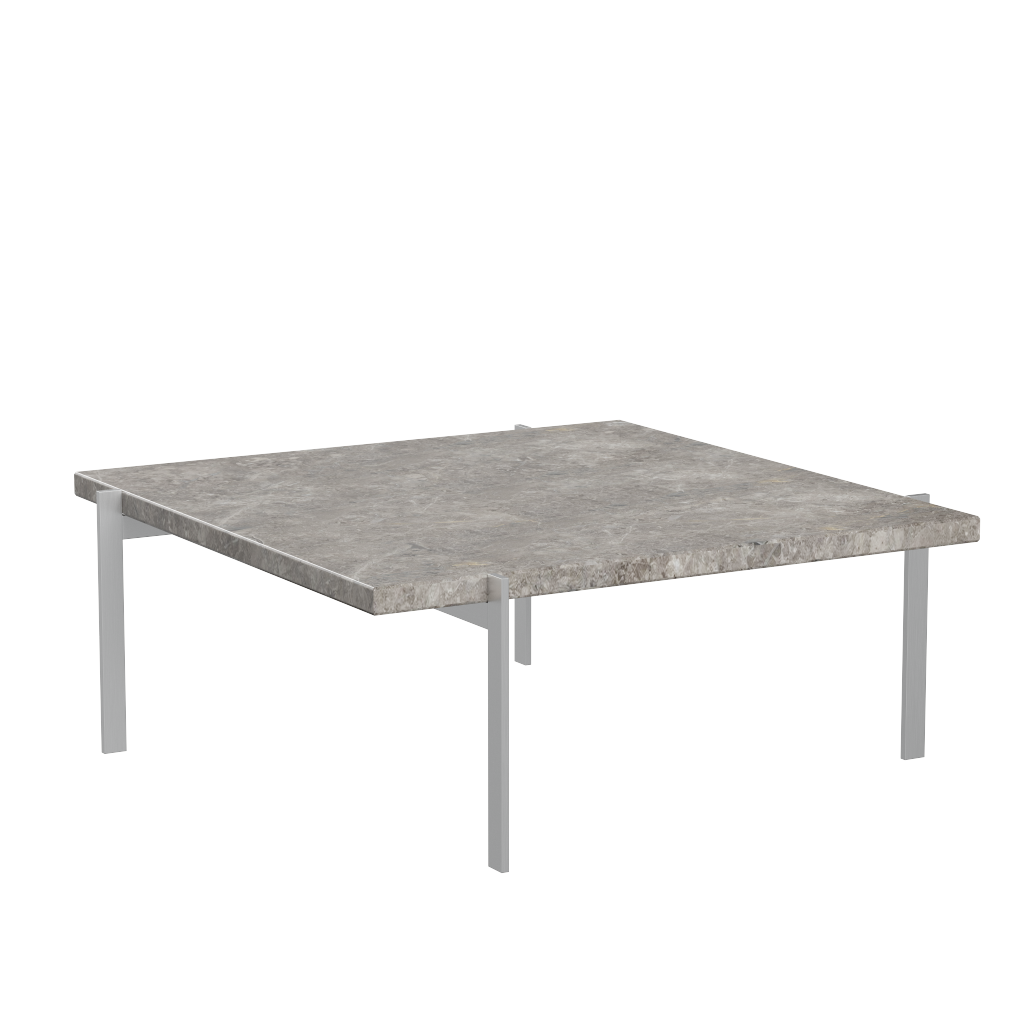
The PK61™ coffee table is a study in refined reduction. Designed by Poul Kjærholm in 1956, it distils furniture to its essential form—where every element is visible, and nothing is superfluous. Four identical brushed steel components support a square tabletop in marble, granite or glass, each material chosen for its inherent beauty and long-lasting nature. Created as a companion to the PK22™ lounge chair, the coffee table shares Kjærholm’s sculptural approach to proportion and detail. Its low, open profile brings a quiet sense of structure to a space—sitting effortlessly in lounge areas, living rooms or hospitality settings, where it anchors the room with calm clarity. True to the Danish design tradition, the PK61™ coffee table reflects Kjærholm’s belief in the honest expression of materials. There is no attempt to hide the construction—its strength lies in its simplicity. Over time, it continues to reveal its depth: a piece that doesn’t demand attention but rewards it, crafted to last and made to be lived with.
PK62 by Poul Kjærholm
In 1968, Poul Kjærholm set out to design a series of tables that could be combined with his collection of lounge chairs and sofas. The resulting PK62™ was created in connection with the development of two chairs: the PK20™ and PK24™. A design favourite, the statement side table features a satin-brushed stainless steel base and a tabletop made of slate, marble or granite.
The PK66 is an understated masterpiece designed by the legendary Danish designer Poul Kjærholm in 1972. Known for his uncompromising approach to materials and “industrial elegance,” Kjærholm created the PK66 as a study in geometry and structural honesty.
PK71 by Poul Kjærholm
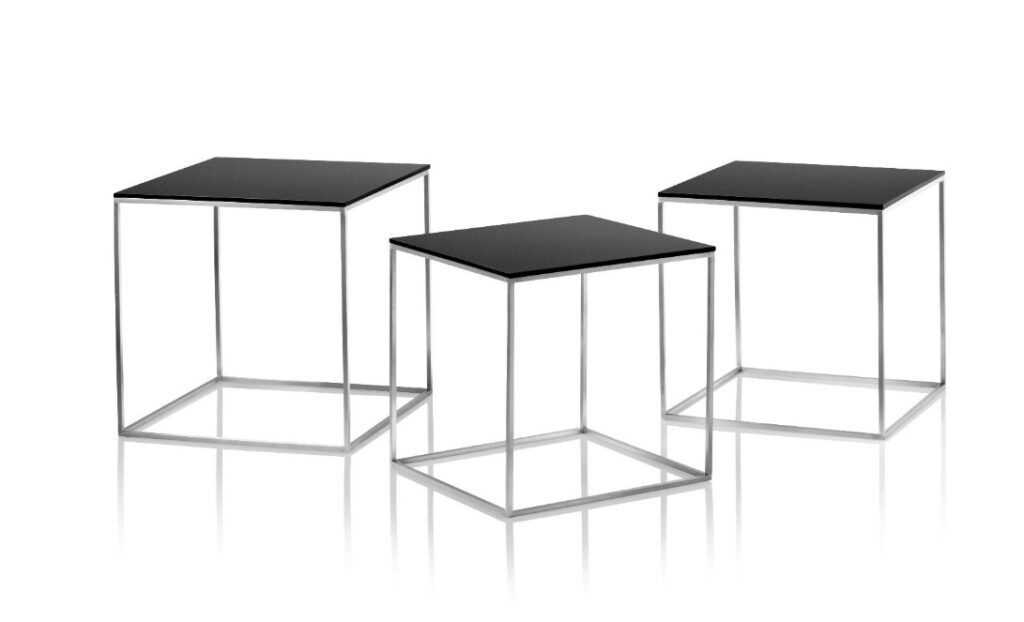
The PK71™ comprises of a series of three nesting tables, designed to be stored and stacked under each other. With their toy-like appearance, the small, abstract tables were designed to be shuffled around and used together or separate. Today, the PK71 are displayed in a permanent collection at the Museum of Modern Art in New York.
The Corona Table is a sleek, minimalist coffee table designed by the Danish architect Poul M. Volther. While Volther is most famous for his 1964 “Corona Chair,” the table was created to serve as the perfect aesthetic companion to the chair’s sculptural presence.
Designed to complement one of the most iconic silhouettes in Danish design history, the Corona Table reflects Poul M. Volther’s deep roots in Scandinavian functionalism. Much like the chair it accompanies, the table balances a sense of “technical coolness” with organic, human-centric forms.
FK 90 by Fabricius & Kastholm
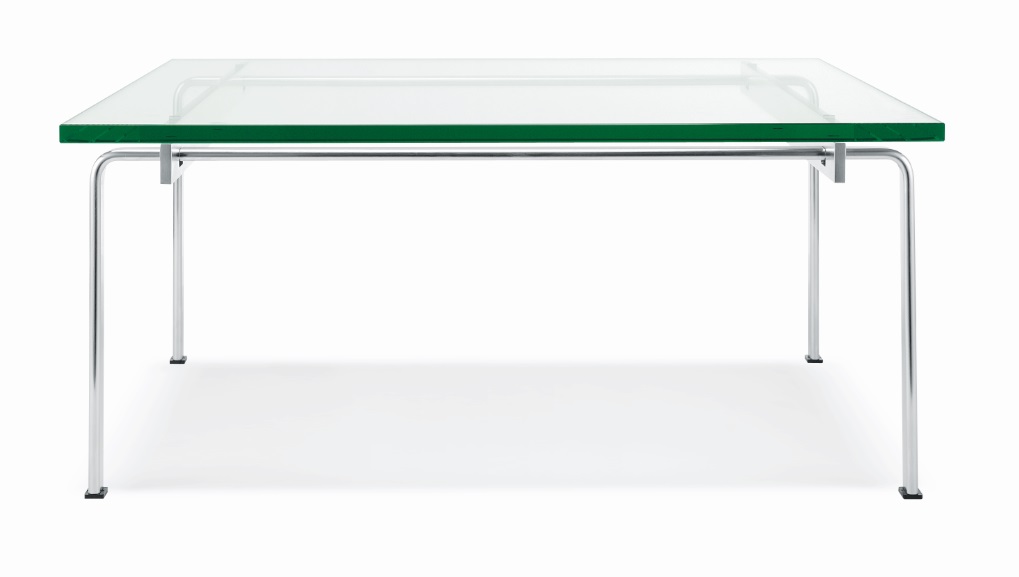
The FK 89/90/91 Coffee Tables were designed by Preben Fabricius & Jørgen Kastholm in 1965 and original produced by Kill International in Germany. Although the two designers have individually created some interesting pieces, it is in pair that they have achieved their greatest success. During the eight years of partnership they managed to create a wide selection of very high quality designs. The results were often minimalistic and functional designs in steel, glass and leather. Since 2006, Lange Production has had the exclusive rights to manufacture a variety of Fabricius & Kastholm’s design collection. The furniture is produced at the original factory, and with the original tools as it was back in the 1960s.
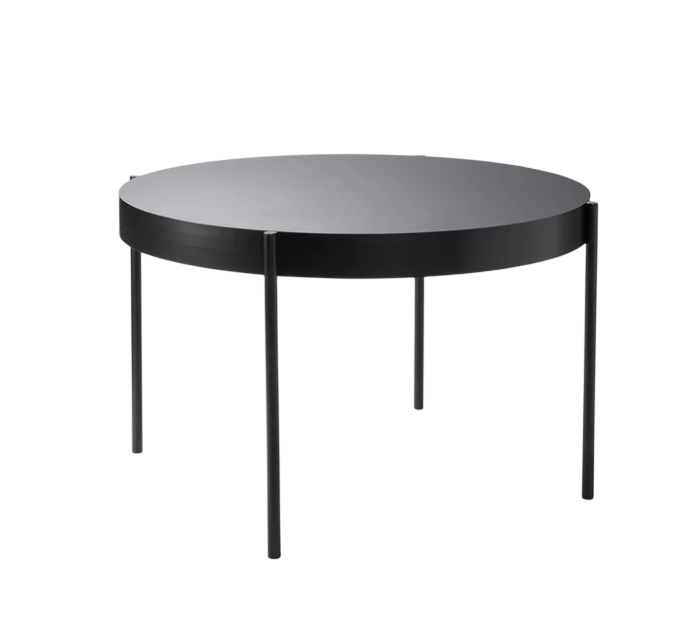
Panton designed the round Series 430 table, so that everyone could sit in the centre. It is light enough that you can move it as required to accommodate different uses: everything from a gathering point in the dining room to a card table in the living room or an extra working surface in the kitchen.
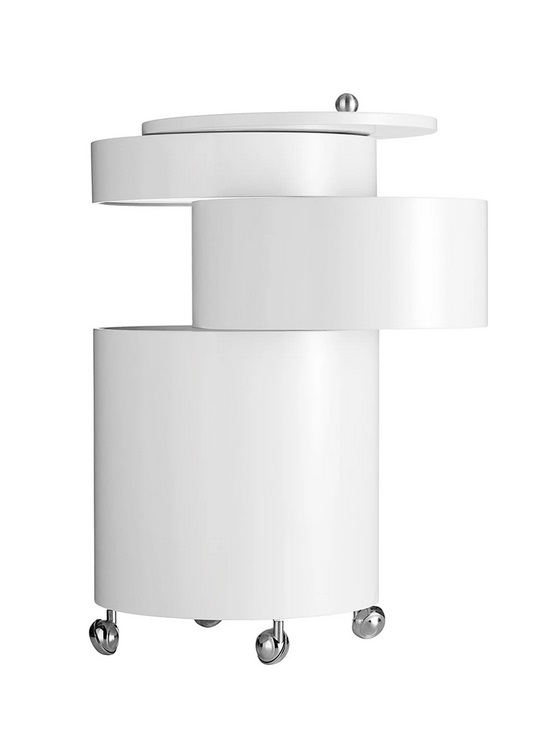
Barboy By Verner Panton
Adaptable side table and mobile storage unit in one. Barboy consists of three round-shaped drawers, which can be pulled out fully so the whole surface can be used. Barboy is a typical example of Panton’s furniture, in which he combines a matt surface with a shiny chrome handle and wheels, investing the piece with an elegant contrast.